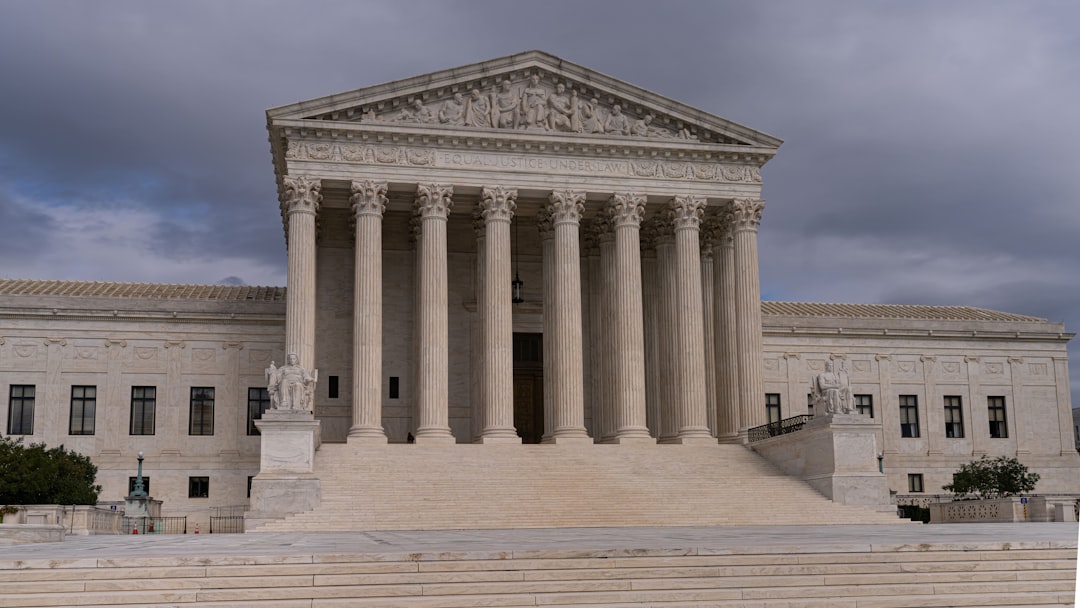
In an unsigned order, the U.S. Supreme Court has rejected an emergency appeal that sought to reinstate a policy restricting certain medical treatments for transgender inmates, according to reporting by CBS News on Friday.
The order leaves in place lower court action that had blocked the policy, allowing transgender prisoners to continue receiving the disputed treatments while the underlying case proceeds. The justices did not issue any written explanation or note any dissents in the brief order, CBS News reported.
What the Supreme Court Did
The case reached the Supreme Court as an emergency request, sometimes called a “shadow docket” application, asking the justices to quickly revive a policy that would have ended specified medical treatments for transgender inmates. CBS News reported that the Court declined that request in an unsigned order issued on Friday.
Because the order was unsigned and contained no written opinions, it did not explain the Court’s reasoning or provide a vote breakdown. As CBS News noted, the decision means the challenged restrictions will not take effect for now.
Emergency appeals of this kind typically ask the Court to act before a full appeal is heard, arguing that allowing lower court rulings to stand would cause irreparable harm. By rejecting the request, the justices left the lower court’s block on the policy in place while litigation continues.
What Is at Stake for Transgender Inmates
CBS News reported that the blocked policy would have ended certain medical treatments for transgender prisoners, though the report did not list each treatment in detail. In similar prison cases, disputes have often involved access to gender-affirming care, which can include hormone therapy and, in some instances, surgical procedures.
The Supreme Court’s refusal to intervene at this stage means that transgender inmates covered by the underlying case may continue receiving the treatments that were targeted by the policy, at least while the case moves forward in the lower courts, CBS News reported.
The order does not decide whether prisons must provide any specific treatment as a constitutional matter. Instead, it addresses only whether the contested restrictions can take effect immediately, pending a final resolution of the legal challenge.
How the Case Reached the Court
According to CBS News, officials defending the policy asked the Supreme Court to step in after a lower court blocked implementation. That lower court ruling prevented the restrictions from taking effect while it considered arguments that the policy unlawfully denied necessary medical care to transgender inmates.
When the lower court issues a preliminary block like this, the government or other defendants sometimes seek emergency relief from the Supreme Court, arguing that the injunction interferes with prison management or conflicts with their reading of federal law. CBS News reported that the justices declined to grant such relief in this instance.
Because the order is procedural and unsigned, it does not set out a new legal standard or formally resolve the underlying dispute. The case will continue in the lower courts, where judges will consider evidence and legal arguments about whether limiting the treatments violates inmates’ rights.
What the Ruling Does — and Does Not — Decide
As CBS News described, the Supreme Court’s action is confined to the question of whether the policy can be enforced while litigation is ongoing. By turning away the emergency appeal, the Court allowed existing access to the disputed medical treatments to remain in place for now.
The order does not:
- Rule on whether the Constitution or federal law requires prisons to provide any specific treatment
- End the lawsuit challenging the policy
- Prevent the Court from taking up the case later after full briefing and argument
Instead, the justices effectively chose not to alter the status quo established by the lower court. The legal challenge to the policy will proceed, and the Supreme Court could be asked to review the case again after the lower courts issue final rulings.
Why This Matters
The decision affects how prison officials may treat transgender inmates covered by the blocked policy while the case is litigated. As CBS News reported, by rejecting the emergency appeal, the Court ensured that the challenged restrictions will not take effect immediately.
The order also underscores the role of the Supreme Court’s emergency docket in disputes over prison policies and medical care. For now, the key development is narrow but concrete: transgender inmates who were receiving the contested treatments may continue to do so while lower courts decide whether the policy is lawful.
Readers should watch for the next major step when the lower courts issue more detailed rulings on the merits of the policy. Those decisions will determine whether the restrictions are permanently struck down, revised, or allowed to take effect, and may prompt a future, fuller review by the Supreme Court.