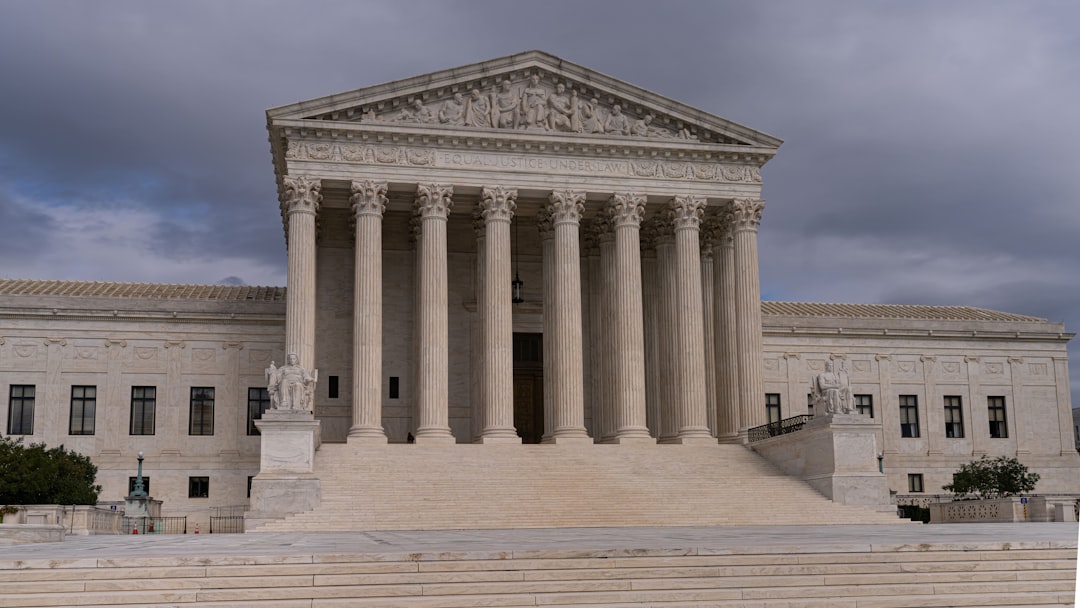
The Supreme Court has declined to hear an appeal from Khalid Sheikh Mohammed, the man U.S. authorities describe as the alleged mastermind of the Sept. 11, 2001, attacks, in a case centered on a withdrawn plea agreement.
According to reporting by CBS News on May 10, the justices turned away Mohammed’s effort to revive a plea deal that military prosecutors had negotiated at the Guantánamo Bay military commission but that the Biden administration later revoked. The Court’s decision leaves the status of his prosecution unchanged and keeps the case within the military commission system.
What the Supreme Court Did
CBS News reports that the Supreme Court rejected Mohammed’s petition seeking to restore a plea arrangement that had been reached with military prosecutors. The Court did so without a written opinion, a common practice when the justices decline to take up a case.
By turning away the appeal, the Court left in place earlier decisions that did not enforce the withdrawn agreement. The justices did not rule on the merits of the proposed plea itself or on broader questions about the military commission system; they simply chose not to review the dispute.
The denial means Mohammed must continue to face proceedings under the existing framework at the Guantánamo Bay military commission, as previously set by military and executive branch authorities.
The Disputed Plea Deal
CBS News describes the underlying dispute as centering on a plea deal negotiated between Mohammed and military prosecutors. That agreement, according to the outlet’s account, was later pulled back by the Biden administration before it could be finalized.
Mohammed’s appeal asked the Supreme Court to step in and effectively revive that deal. By refusing to hear the case, the Court left the executive branch’s decision to withdraw the agreement intact. The details of the proposed plea, including specific sentencing terms or conditions, were not fully disclosed in the CBS News report and therefore remain unclear based on publicly available information cited there.
Why the Decision Matters
The Supreme Court’s move is significant because it maintains the status quo in one of the most closely watched cases in the military commission system. As CBS News notes, Mohammed has been held for years at the U.S. detention facility at Guantánamo Bay, Cuba, and faces charges related to the 9/11 attacks.
By declining to intervene, the justices left responsibility for any changes to his case with the military commission process and the executive branch, which oversees prosecutions at Guantánamo. The decision also means that any resolution based on the now-withdrawn plea agreement remains off the table unless the government and defense reach a new arrangement.
What Remains Unclear
CBS News’ account confirms the core development: the Supreme Court has turned away Mohammed’s appeal and left the withdrawn plea deal unenforceable. However, several aspects of the situation are not detailed in that reporting.
The outlet does not specify the precise legal arguments Mohammed’s lawyers raised in their petition, nor does it describe any internal deliberations within the Biden administration that led to the decision to revoke the plea agreement. It also does not outline any new timetable for future proceedings in the military commission.
Because independent corroboration in this news cycle is limited, as CBS News itself indicates, key questions about the government’s next steps and the detailed contents of the abandoned plea deal remain open based on the information currently available.
What to Watch Next
With the Supreme Court’s refusal to hear the case, attention now returns to the Guantánamo military commission, where Mohammed’s prosecution continues under existing rules.
CBS News’ reporting suggests that any further developments—such as new negotiations, pretrial motions, or changes in policy—would come from the executive branch or the military commission, not from the Supreme Court. For readers following the long-running 9/11-related cases, the key point is that the Court has chosen not to alter the trajectory of Mohammed’s case, leaving future movement to the institutions already handling it.
The Supreme Court’s action underscores that, for now, the legal path for the alleged 9/11 mastermind remains unchanged: the withdrawn plea deal stays off the table, and the military commission process continues as before.