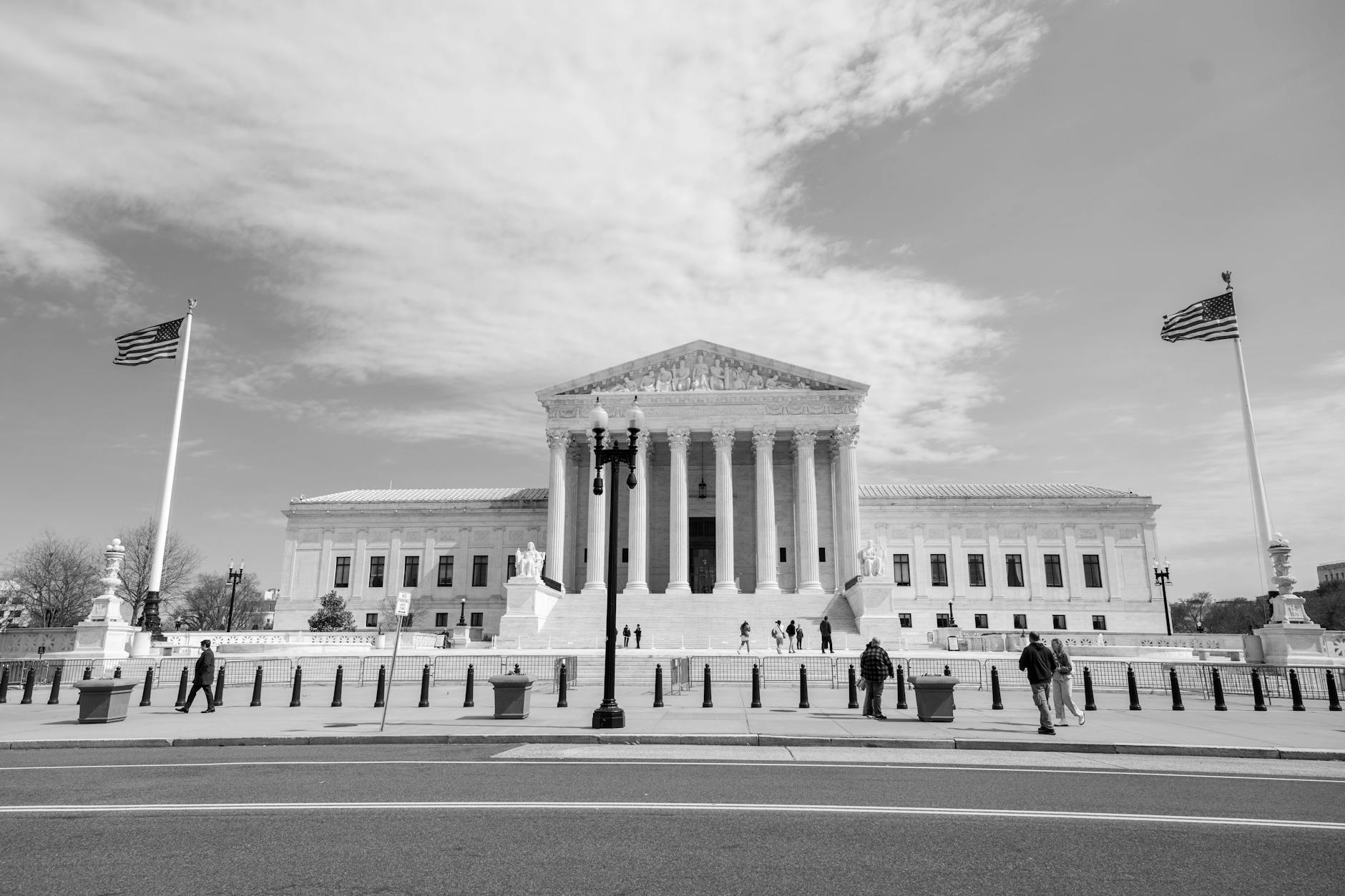

The U.S. Supreme Court has rejected an attempt by the National Football League to intervene in a racial discrimination lawsuit brought by former head coach Brian Flores, allowing key parts of the case to move ahead in federal court.
CBS News reported on May 10 that the justices declined to hear the league’s appeal, leaving in place lower court rulings that permit Flores’ claims to proceed. The brief order contained no explanation, which is typical when the court turns away a petition.
What the Supreme Court Did
According to CBS News’ account of the ruling, the Supreme Court denied the NFL’s bid to step into Flores’ lawsuit at this stage of the proceedings. The league had asked the justices to review a lower court decision that allowed Flores to continue pressing his claims.
By declining the appeal, the high court left intact the existing legal path in the federal courts. The decision does not resolve the merits of Flores’ allegations, but it removes a major procedural obstacle the NFL had sought to raise.
CBS News reported that the order came without a written opinion or noted dissents, which means the court did not publicly signal how individual justices viewed the underlying issues.
The Lawsuit at the Center of the Dispute
Flores, a former NFL head coach, has accused the league and its teams of racial discrimination in their hiring practices. His lawsuit, filed in federal court, alleges that he and other Black coaches were denied fair opportunities for head coaching and other leadership positions.
CBS News identified the case as a significant challenge to how the NFL handles coaching hires and promotions. Flores’ complaint argues that league practices have resulted in systemic barriers for Black candidates, though the Supreme Court’s action addressed only the NFL’s procedural appeal, not those factual claims.
The case remains in the trial court, where Flores will be able to seek evidence and present his arguments under the framework preserved by the lower courts’ earlier decisions.
Impact on the NFL’s Legal Strategy
The NFL’s unsuccessful appeal to the Supreme Court marks a setback in its effort to limit or reshape Flores’ lawsuit at an early stage. As described in the CBS News report, the league had asked the justices to intervene after losing in lower courts, hoping to change how the case would proceed.
With the Supreme Court declining to get involved, the league must now continue to defend itself in federal court under the current rulings. That includes responding to Flores’ allegations through the normal litigation process, which can involve motions, discovery, and, potentially, trial.
The decision does not prevent the NFL from raising legal arguments later in the case, but it closes off the specific avenue of relief the league sought from the high court at this time.
Why the Ruling Matters
The Supreme Court’s refusal to take up the NFL’s appeal is important because it keeps Flores’ discrimination claims alive and moving forward. As CBS News noted, the case challenges how one of the country’s most prominent sports leagues handles hiring for some of its most visible jobs.
For Flores, the ruling means he can continue to press his claims and seek documents, testimony, and other evidence through the federal court system. For the NFL, it means ongoing scrutiny of its practices in a courtroom setting, rather than having the dispute curtailed or redirected by an early Supreme Court intervention.
The justices’ decision does not endorse either side’s view of the facts. Instead, it leaves the existing lower court rulings in place and signals that, for now, the case should proceed through the ordinary federal trial process.
What Comes Next in the Case
With the Supreme Court declining the NFL’s appeal, the lawsuit returns to the federal district court that has been handling it. As reported by CBS News, the next steps are likely to involve continued pretrial proceedings.
Those proceedings can include additional motions by both sides and the exchange of evidence. The timeline will be set by the trial judge, and no final outcome has been determined.
The Supreme Court’s action on May 10 is a procedural turning point, not the end of the dispute. The core questions about whether Flores can prove his allegations of racial discrimination remain for the lower courts to resolve.
The case will continue to be closely watched, given the prominence of the NFL and the attention already drawn by Flores’ decision to bring his claims into federal court.