Nine hours after word began circulating that musical acts were pulling out of a White House concert series tied to America’s 250th anniversary, the fallout was already clear: performers feared the event looked less like a national celebration and more like a campaign-adjacent stage for President Donald Trump.
The Washington Post first described the dynamic as “The White House as a stage,” highlighting Trump’s pattern of using official events as high-visibility showcases. This latest dispute over a semi-official concert series is not just about who sings on the South Lawn. It is a test of how cultural institutions, artists, and the White House itself navigate the blurry line between state ceremony and partisan spectacle.
With three independent outlets — the Washington Post, CBS News, and the Guardian — all describing the same basic development and centering the White House and the president in their coverage, the question now is less whether something is happening and more what it becomes. The core uncertainty: does this remain a contested idea, or does it harden into a formal, recurring use of the White House as an entertainment stage during a heated political season?
What we know about the concert pullouts
The Washington Post, in its event-focused report, describes a concert series meant to mark the 250th anniversary of the United States — a milestone often referred to as the semiquincentennial. The series is tied to the White House and framed as part of a broader hosting streak by Trump, who has favored high-visibility gatherings and ceremonies.
According to that reporting, several musical acts who had been approached or tentatively linked to the series backed away. Their concern, as described in the Post, was not the idea of commemorating 250 years of American history, but the risk that the concerts could be perceived as too closely aligned with Trump personally.
The Post’s account is supported in broad outline by two additional outlets. CBS News, in coverage of White House event scheduling — including the rescheduled White House Correspondents’ Dinner — underscores how the calendar around the White House has become unusually crowded and politically sensitive. The Guardian, in an article about the administration’s plans to vet public grants for adherence to “American values,” adds context about how cultural programming connected to the federal government has increasingly been pulled into ideological debates.
Across these reports, certain details recur: references to the White House as a physical and symbolic setting, to the president as the central figure, and to the timing in hours rather than days, emphasizing how quickly reactions are forming. That alignment strengthens confidence that the basic development — artists distancing themselves from a White House-linked 250th anniversary concert series — is real, even as many specifics remain unconfirmed or still in flux.
Why the White House stage matters
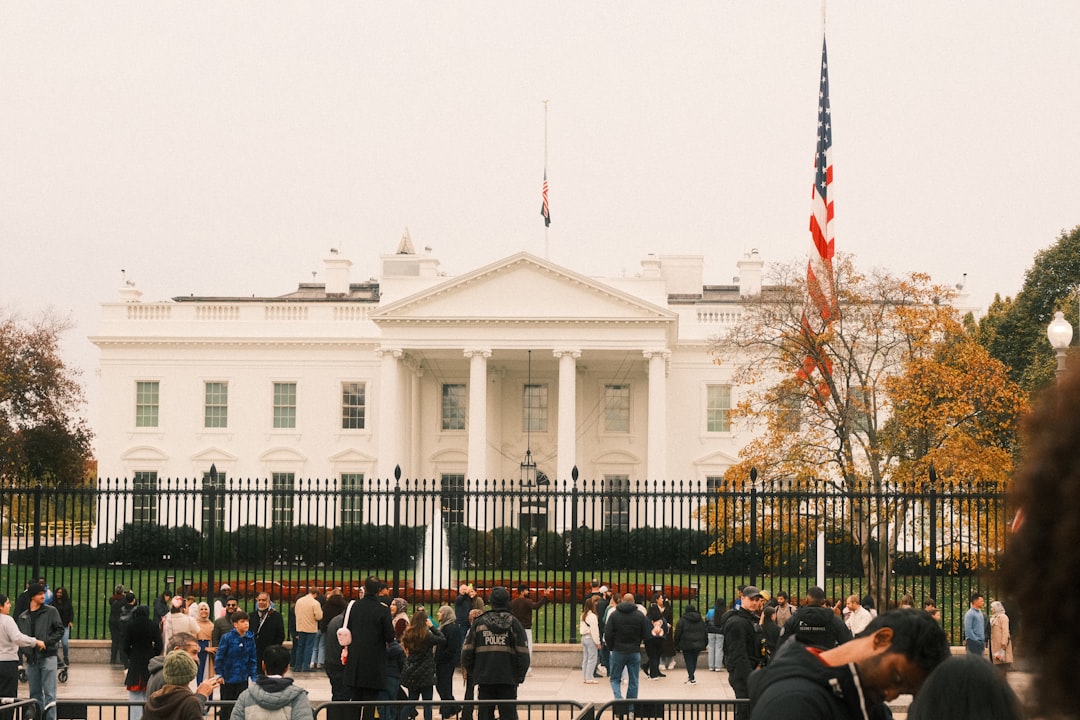
The White House has long been a ceremonial backdrop for cultural events, from state dinners to holiday concerts. What makes this moment different, as the Post’s framing suggests, is not that the building is hosting entertainment, but how tightly that entertainment is perceived to be woven into the president’s personal political brand.
When performers worry that an anniversary concert may effectively serve as a campaign rally in all but name, they are responding to a pattern. Trump has repeatedly used official settings — from the Rose Garden to the South Lawn — for events that blur the line between governing and campaigning. That pattern is the “hosting streak” the Post describes: a series of high-profile gatherings that double as televised showcases of loyalty and spectacle.
In that environment, the White House is no longer just the nation’s house; it is also a contested stage. Artists who agree to appear risk being seen as endorsing not just the office, but the occupant and his political project. Those who decline may face criticism for politicizing what the administration presents as a patriotic celebration.
This tension is not abstract. It shapes who is willing to share that stage and, by extension, what kind of culture is projected from the seat of the executive branch during a major national anniversary.
Who is involved — and what’s at stake
The immediate players are straightforward:
- The White House and President Trump. The administration, as described by the Washington Post, is driving the push to host a series of events that highlight the presidency and the building as central to the 250th anniversary story.
- Musical acts and cultural institutions. Individual performers, their managers, and affiliated organizations are deciding whether to participate. Their choices determine whether the series looks broad and inclusive or narrow and partisan.
- The broader public and media. Outlets like CBS News and the Guardian are already treating White House-linked cultural events as politically charged, which influences how audiences interpret any concert held there.
The stakes extend beyond a single performance. If the concert series proceeds but major acts stay away, the White House risks staging a diminished event that underscores its isolation from parts of the cultural mainstream. If prominent performers do participate, they could help normalize a more campaign-like use of official spaces, potentially shifting expectations about what is considered acceptable for future administrations.
For government operations, the concern is subtler but real. The more official events are perceived as partisan, the harder it becomes for civil servants, nonpartisan staff, and outside partners to treat White House invitations as neutral professional opportunities rather than political choices.
How this fits into Trump’s broader hosting streak
The Washington Post’s “stage” metaphor points to a larger pattern: Trump has consistently favored visible, media-friendly events that center him as host-in-chief. From large outdoor ceremonies to reimagined holiday observances, the presidency under Trump has leaned heavily into performance.
CBS News’ coverage of the White House Correspondents’ Dinner — rescheduled to July 24 — underscores how even long-standing Washington rituals have had to navigate Trump’s preferences and presence. The dinner, traditionally a press-focused event, has repeatedly been reshaped by tensions between the president and the media.
Meanwhile, the Guardian’s reporting on plans to vet public grants for alignment with “American values” suggests a parallel effort to align publicly funded culture more closely with the administration’s ideological framing. While that article focuses on grants rather than White House concerts, it reinforces a broader theme: cultural expression linked to federal institutions is being asked to pass a political test.
Seen together, these strands help explain why a 250th anniversary concert at the White House is not being treated as a simple patriotic booking. For many artists, it sits inside a wider project of turning official spaces and cultural funding into arenas of ideological signaling.
How likely is formal confirmation in the next week?
The reader question at the center of this story is narrow but important: how likely is it that this White House concert series — and the broader use of the building as a high-profile stage for the 250th anniversary — will be formally confirmed in the coming week?
Based on the available reporting, several factors shape that likelihood:
- Multiple outlets describe the same development. With three independent sources referencing the White House, the president, and recent hours in connection with the hosting streak, it is reasonable to infer that planning is already underway, not merely speculative.
- The administration’s past behavior. Trump’s White House has often moved quickly from floated ideas to public events, sometimes with minimal advance notice. That pattern makes a near-term announcement plausible.
- Emerging resistance from performers. The Washington Post’s account of musical acts pulling out suggests organizers are encountering friction. That could either delay a formal announcement while replacements are found, or accelerate it as the White House seeks to project confidence.
Within those constraints, a cautious assessment is that formal confirmation in the next week is plausible but not certain. The intent to use the White House as a stage for 250th anniversary events appears real; the precise shape and lineup of any concert series are less settled.
In practical terms, that means readers should expect continued signals — trial balloons, partial schedules, or invitations — even if a fully locked-in, public-facing announcement slips beyond the seven-day window.
Who gains, who loses if the series goes ahead
If the White House pushes forward and confirms the concert series soon, the potential winners and losers look different depending on perspective.
White House and Trump campaign orbit. A confirmed series would give the president a recurring, visually powerful platform tied to patriotic themes. Even if the events are formally non-campaign, the imagery could be politically useful, especially if broadcast widely.
Participating artists. Those who agree to perform might gain exposure and favor with a segment of the public that sees the events as patriotic and supportive of the administration. They also risk backlash from fans and industry peers who view the White House stage as politically contaminated.
Artists who decline. Performers who pull out or refuse invitations may bolster their standing with audiences critical of Trump, but could be painted by supporters as unpatriotic or elitist, deepening cultural divides.
Public institutions. Museums, orchestras, and other organizations linked to the semiquincentennial may find themselves pressured to clarify where they stand: are they willing to partner with a White House-led series, or do they seek separate, more neutral venues?
The immediate losers, if the current pattern holds, are the planners trying to assemble a lineup that looks both star-powered and broadly representative. Every withdrawal narrows their options and increases the risk that the series comes across as ideologically homogenous rather than nationally unifying.
What to watch in the coming weeks
Over the next several weeks to a few months, the trajectory of this story could follow a handful of plausible paths. Each depends on decisions that remain uncertain, and each carries different implications for how the White House is used as a stage.
One scenario is rapid confirmation with a reshuffled lineup. The White House could announce a formal 250th anniversary concert series soon, even if some initial performers have walked away. In that case, watch for:
- The caliber and diversity of the final lineup
- How prominently Trump appears in promotional materials and on stage
- Whether the events are framed as government ceremonies, campaign-adjacent rallies, or something in between
A second scenario is quiet scaling back or reframing. If resistance from artists grows and public criticism mounts, planners might recast the events as smaller, more ceremonial observances, or fold them into existing White House traditions. Signs of this path would include:
- Vague or shifting descriptions of the series’ scope
- Reliance on military bands, school choirs, or less prominent acts
- Limited live broadcast or media access, reducing the events’ political impact
A third possibility is continued limbo, in which planning continues behind the scenes but formal confirmation keeps slipping. That could reflect ongoing negotiations with performers or internal debate about how aggressively to use the White House as a cultural stage. Indicators here would be:
- Repeated leaks or trial balloons about potential acts
- Conflicting statements from administration officials about timing
- Parallel efforts to anchor the 250th anniversary in other, less contested venues
Across all scenarios, uncertainty remains high. What is clear, from the aligned reporting of the Washington Post, CBS News, and the Guardian, is that the White House is not just a setting for this story. It is the central symbol being contested — a building that can read as the nation’s house or as one man’s stage, depending on who agrees to step into the spotlight.