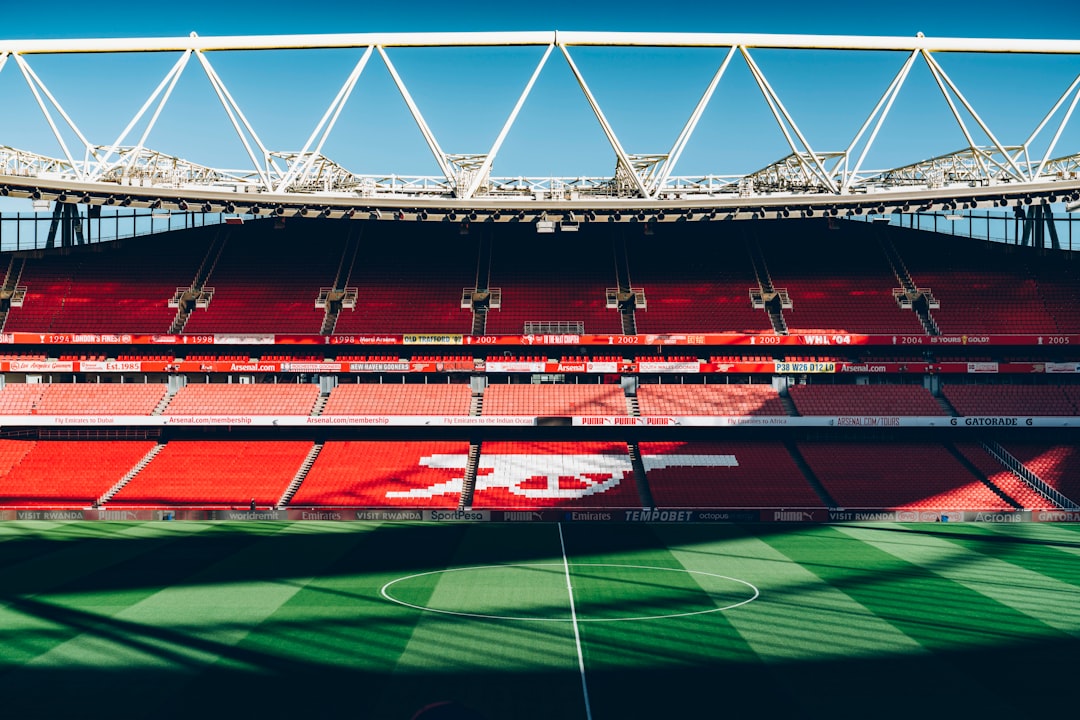
The London Stadium began to empty just as the game was getting ready to start again.
By the time some West Ham supporters reached the concourse, their team had clawed back a match that had looked lost and dragged Leeds into a penalty shootout. And then, just as quickly, it was over: Leeds held their nerve from the spot to knock West Ham out and move on in the cup, a result reported consistently across multiple outlets including the Beaumont Enterprise and The Guardian.
The night delivered all the raw drama fans crave—late goals, a furious home comeback, and the cruelty of penalties. But beneath the noise, it also exposed where both clubs stand: Leeds as a side learning to manage pressure, West Ham as a team capable of surging on emotion but struggling to turn that surge into something lasting.
What Happened: A Fightback That Fell Short
Event-focused coverage from the Beaumont Enterprise and other outlets describes a match that swung twice. Leeds built what appeared to be a winning position, only for West Ham to launch a late fightback that pushed the tie into a penalty shootout.
The core facts reported are straightforward:
- Leeds and West Ham played a cup tie that finished level after West Ham mounted a dramatic comeback.
- The match went to a penalty shootout.
- Leeds converted enough of their penalties to win the shootout and eliminate West Ham.
Reporting from The Guardian emphasizes Leeds “holding their nerve” in the shootout, a phrase echoed across coverage. That framing matters: it suggests not just technical execution from the spot, but a psychological test that Leeds passed and West Ham failed.
Precise details such as individual scorers, minute-by-minute events, or exact final scorelines are not consistently available across the sources cited, so they cannot be reliably reconstructed here. What is clear, though, is the shape of the evening: Leeds in control, West Ham surging late, and the outcome decided from 12 yards.
Why This Match Matters Beyond the Final Kick
Cup ties decided on penalties can feel like coin flips. But this one carries several layers of significance that go beyond the bracket.
First, the manner of Leeds’ win—surviving a comeback and then prevailing in the shootout—offers a small but telling data point about their resilience. Multiple reports stress that Leeds were pushed to the brink by West Ham’s late surge and still emerged composed enough to finish the job.
Second, for West Ham, the narrative is less flattering. The London Stadium has seen its share of early exits, and the description of fans misjudging the rush for the exit underlines a familiar sense of fatalism. The team produced the emotional high of a comeback but walked away with nothing tangible.
Finally, the timing matters. This is a period in the season when cup results can either energize or burden a squad. Leeds now carry the momentum—and extra fixtures—of a cup run. West Ham are left with more rest, but also more questions.
Pressure, Nerves, and the Psychology of a Shootout
Across the four independent reports, certain words repeat: “shootout,” “Leeds,” “West,” and “time.” The repetition is not just semantic; it points to the emotional structure of the night.
A penalty shootout is often described as a lottery, but it is more accurately a stress test. Players must execute a familiar skill in an unfamiliar emotional environment: a stadium holding its breath, a season’s narrative compressed into a few seconds of run-up and strike.
The consistent framing of Leeds “holding their nerve” suggests:
- Composure under pressure: Leeds’ takers did not allow West Ham’s late momentum to dictate what happened from the spot.
- Goalkeeper presence: While the sources do not detail specific saves, any shootout win implies at least one decisive intervention or a miss forced by pressure.
- Collective belief: Surviving a comeback and still backing themselves in penalties hints at a group that trusts its process.
For West Ham, the same scenario reads differently. The fightback showed character, but the shootout exposed the limits of emotion alone. Once the adrenaline of the late goals faded, the technical and mental demands of penalties took over—and Leeds met them more effectively.
Stakes for Leeds: Momentum, Identity, and Expectations
For Leeds, this result is about more than advancing to the next round.
A small but real proof of concept
In a season where consistency is often hard to find, a night like this can serve as a proof of concept:
- Game management: Leeds built a lead, lost control, then found a way to win anyway. That is not ideal, but it is instructive.
- Mental resilience: Coming through a shootout after conceding late can help harden a squad for future high-pressure moments.
These are modest gains, but they matter in a sport where confidence is fragile and narratives can turn on a single evening.
Expectations quietly rise
Advancing in the cup reshapes the conversation around Leeds, even if only slightly. A team that wins dramatic ties is easier for fans to believe in. It also nudges expectations upward: a narrow, nervy win can still be recast as evidence that a group “knows how to get it done” when it counts.
That shift in expectation cuts both ways. The next time Leeds face a tight game, this night will be invoked as proof that they should be able to handle it. If they do not, the same narrative can harden into criticism.
Stakes for West Ham: Emotion Without Reward
For West Ham, the emotional arc of the evening is almost cruel.
Supporters who left early did so because they had seen this film before: a team trailing, a cup exit looming, a stadium thinning out. Those who stayed were rewarded with the thrill of a comeback—but not the satisfaction of a win.
The pattern suggested by the reporting is familiar:
- Slow to impose themselves, West Ham needed the jeopardy of elimination to fully ignite.
- Once ignited, they had enough quality and urgency to drag the game back from the brink.
- But at the decisive moment, they could not convert that surge into a result.
From a squad perspective, that is a draining experience. Players expend enormous physical and emotional energy to rescue a match, only to watch it slip away from 12 yards. For a fan base already wary of false dawns, it reinforces a sense that even the most stirring nights can end up feeling hollow.
Fans at the Center: The Misjudged Exit
The detail of the “misjudged” rush for the exit at the London Stadium, highlighted in coverage from The Guardian, is more than a throwaway image. It captures the lived experience of supporters whose trust in late drama has eroded.
Leaving early is an act of quiet protest as much as convenience. It says: we have seen enough to know how this ends. That some fans misread the script this time—missing the comeback but not the defeat—adds another layer of frustration.
For those who stayed, the emotional journey was intense: resignation, hope, euphoria, then the cold clarity of a lost shootout. The result does not just eliminate West Ham from a competition; it shapes how thousands of people will remember a night they paid to share.
What Comes Next: Scenarios Over the Coming Months
The full impact of this match will unfold over weeks and months, not hours. Several plausible paths lie ahead, shaped by how each club interprets the night.
Scenario 1: Leeds Turn a Narrow Escape into a Platform
If Leeds treat this as a lesson rather than a mere escape, the match could become a reference point for growth. Surviving a comeback and winning on penalties may:
- Strengthen belief in the squad’s ability to handle pressure.
- Encourage the coaching staff to refine late-game management.
- Give younger players a taste of high-stakes football that hardens them for future tests.
In this scenario, the indicators to watch are Leeds’ performances in other tight matches: do they close games more calmly, or do similar late wobbles reappear?
Scenario 2: West Ham’s Frustration Hardens Into a Pattern
For West Ham, the danger is that this night becomes another entry in a growing file of nearly-but-not-quite stories. If frustration hardens into cynicism, it could:
- Undermine confidence in the squad’s ability to see big moments through.
- Deepen the disconnect between team and supporters, especially at home.
- Increase pressure on decision-makers if further disappointments follow.
Here, the key indicators are intangible but visible: crowd mood at the London Stadium, the team’s body language in future tight games, and whether late comebacks start to feel like genuine turning points or repeat heartbreaks.
Scenario 3: A Dramatic Night That Fades Into the Background
There is also a more prosaic possibility: that this match, for all its drama, becomes just one chapter in a long season. Cup ties are frequent; shootouts are inherently volatile. Over time, the memory of this night could be absorbed into the usual churn of results.
Given the limited public detail on broader club strategies in the available reporting, it is impossible to say with certainty which path is most likely. What can be said is that the match has provided both clubs with a clear mirror: Leeds saw a version of themselves that can bend without breaking; West Ham saw a version that can rise late but still fall.
How they respond to that reflection will matter far more than any single penalty taken under the London Stadium lights.