The NAACP is urging Black college athletes to withhold their talents from some of the most powerful programs in U.S. sports, calling for a boycott of schools in major Southern athletic conferences in response to what it describes as escalating attacks on Black rights.
The appeal, reported by outlets including the Guardian, Fox News, and Tide-focused site TDAlabamaMag.com, marks a rare, direct attempt by a national civil rights organization to mobilize college athletes as a political force. It lands six years after the country’s widely discussed “racial reckoning,” at a moment the NAACP characterizes as a “comprehensive assault” on Black Americans.
While the precise contours of the boycott—such as which institutions are specifically targeted and how many athletes are prepared to act—remain uncertain, all three outlets describe the same core development: a public call from the NAACP for Black athletes to withhold support from college sports powers in the South.
What the NAACP Is Calling For
In coverage by the Guardian, the NAACP’s move is framed as a “wake-up moment” for the American Black athlete, particularly those in college programs that generate enormous revenue for their schools. The organization is not merely criticizing conditions; it is asking athletes to change where they play and, by extension, who profits from their labor.
Fox News and TDAlabamaMag.com both report that the civil rights group is specifically urging Black athletes to boycott powerhouse programs in conferences such as the Southeastern Conference (SEC) and Atlantic Coast Conference (ACC). These leagues dominate college football and basketball in the South and rely heavily on Black athletes in marquee sports.
Across the three outlets, the central demand is consistent: Black athletes should reconsider signing with or remaining at schools in states where, in the NAACP’s view, political leaders are advancing laws and policies that undermine Black communities. The NAACP is effectively asking athletes to use their recruiting decisions and enrollment choices as leverage.
The group’s argument, as described in the reporting, is straightforward. If Black athletes are central to the success and financial power of these programs, then their absence could pressure institutions—and, indirectly, state leaders—to change course on policies the NAACP sees as harmful.
Why the Call Comes Now
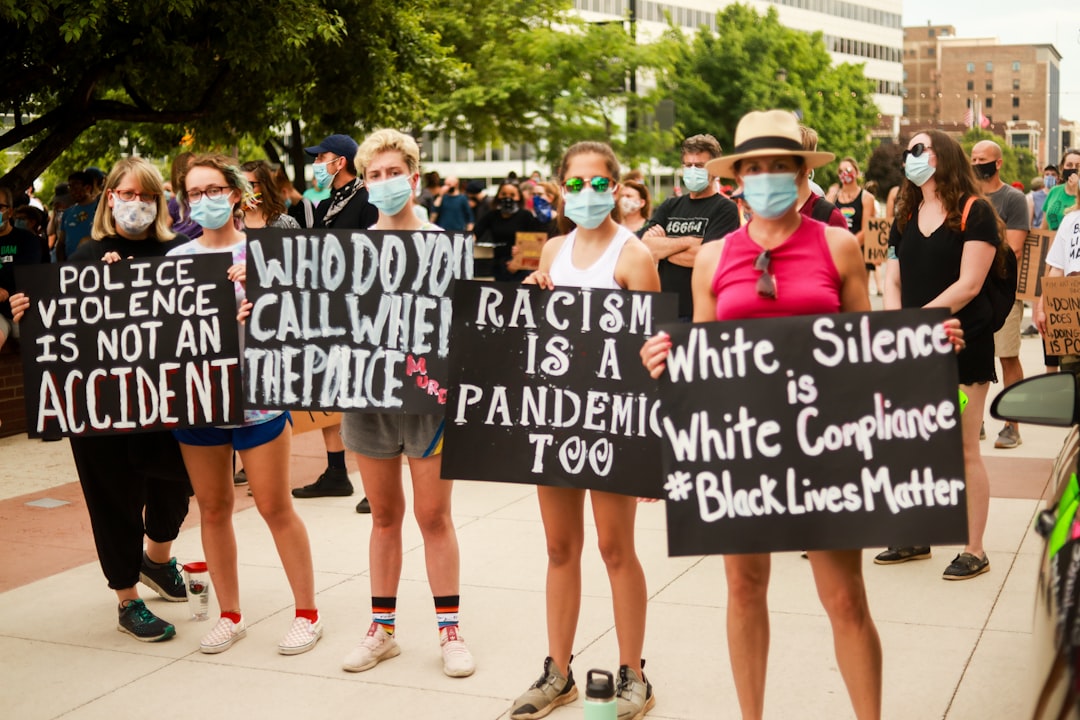
The timing of the boycott appeal is tied to a broader political climate. The Guardian describes the NAACP’s move as emerging “six years after the nation underwent a so-called ‘racial reckoning,’” a reference to the wave of protests and institutional pledges that followed high-profile police killings of Black Americans.
According to that reporting, the NAACP now sees that period as having given way to a backlash. The group argues that Black Americans are facing a “comprehensive assault,” including from “the country’s highest elected office,” where the president is described as making clear from the first day of his re-inauguration that he holds views the organization considers hostile to Black rights.
Fox News and TDAlabamaMag.com focus less on the national political framing and more on the concrete sports dimension: the NAACP is singling out college sports in Southern states, where political fights over voting rights, education policy, and diversity initiatives have been especially intense. Together, the coverage paints a picture of the NAACP treating college athletics as one of the few remaining pressure points with clear economic and cultural weight.
The Power—and Risk—For Black College Athletes
Across the three outlets, one theme recurs: this is a direct challenge to the status quo of college sports, where Black athletes, especially in football and men’s basketball, make up a large share of rosters at elite programs but have historically had limited structural power.
The Guardian’s framing of a “wake-up moment” underscores the idea that Black athletes are being asked to see themselves not only as competitors or future professionals but as central actors in a political struggle. The NAACP is effectively telling them that their decisions about where to play are political choices with consequences beyond the field.
Fox News’ coverage emphasizes that the call is controversial, highlighting the long-standing debate over “sports-as-politics.” That outlet notes critics who argue that athletes should not be drawn into boycotts that could derail their careers or scholarships. This perspective raises a key tension: many Black athletes come from families and communities that see college sports as a path to economic mobility, and a boycott could mean turning away from facilities, coaching, and exposure that help them reach professional leagues.
TDAlabamaMag.com, which focuses on Alabama football, situates the NAACP’s call in the heart of SEC country. Its reporting underscores how deeply intertwined Black athletes are with the success of programs like those in Alabama, Georgia, and other Southern states. The site notes that the NAACP is asking athletes to “withhold support” from these institutions, a phrase that captures both the symbolic and financial stakes.
All three outlets make clear that the NAACP is not targeting the NBA or professional leagues directly in this appeal. The focus is on college athletes—many of them teenagers—who have not yet reached the bargaining power that comes with professional contracts. That choice underscores the NAACP’s belief that the college level, where institutions profit from unpaid or lightly compensated labor, is where leverage can be most disruptive.
How Institutions and Politicians Are Positioned
While the current reporting centers on the NAACP’s call rather than official responses, it sketches the landscape into which the appeal lands.
Fox News’ coverage, which often reflects conservative political concerns, presents the boycott call as part of a broader pattern of using sports to advance political goals. That framing suggests that some political and media figures aligned with Southern state governments may resist the NAACP’s push and argue that it unfairly politicizes college sports.
TDAlabamaMag.com highlights the potential impact on flagship public universities, which depend on football and basketball revenues not only for athletics but also as a major part of their public identity. If even a small number of top recruits heed the NAACP’s call, the site suggests, it could alter recruiting battles in the SEC and ACC.
The Guardian’s reporting emphasizes the national implications, focusing on the symbolic power of Black athletes in a country where their visibility in sports far exceeds their representation in many other institutions. By appealing to these athletes, the NAACP is betting that highly visible decisions—such as a top recruit choosing a different region or type of institution—could force university leaders and, eventually, lawmakers to confront the costs of policies the group deems hostile to Black communities.
At this stage, none of the three outlets reports a coordinated response from the NBA, Congress, or other national institutions to the boycott call itself. Their coverage instead situates the NAACP’s move within the broader tug-of-war between civil rights advocates and political leaders over the direction of public policy affecting Black Americans.
What Comes Next
In the coming weeks, the most immediate indicator of the boycott’s impact will be the decisions of high-profile Black recruits and current players in SEC and ACC programs. Reporters will be watching whether any athletes publicly cite the NAACP’s call as a reason to decommit, transfer, or choose schools in other regions.
College athletic departments and conference offices are also likely to face questions from local and national media about how they view the NAACP’s appeal and whether they plan any changes in response. Any formal statements from university presidents, athletic directors, or conference commissioners will help clarify whether institutions treat the call as a serious threat or a symbolic gesture.
Civil rights and player-advocacy groups may respond as well, either by endorsing the NAACP’s strategy, proposing alternative forms of protest, or expressing concern about the risks to individual athletes. Their reactions, along with any early athlete-led organizing, will help determine whether this moment becomes a sustained campaign or a short-lived flashpoint.
For now, the NAACP’s boycott call has placed Black college athletes at the center of a high-stakes debate over power, rights, and responsibility in American sports—and left them to decide how much of that burden they are prepared to carry.