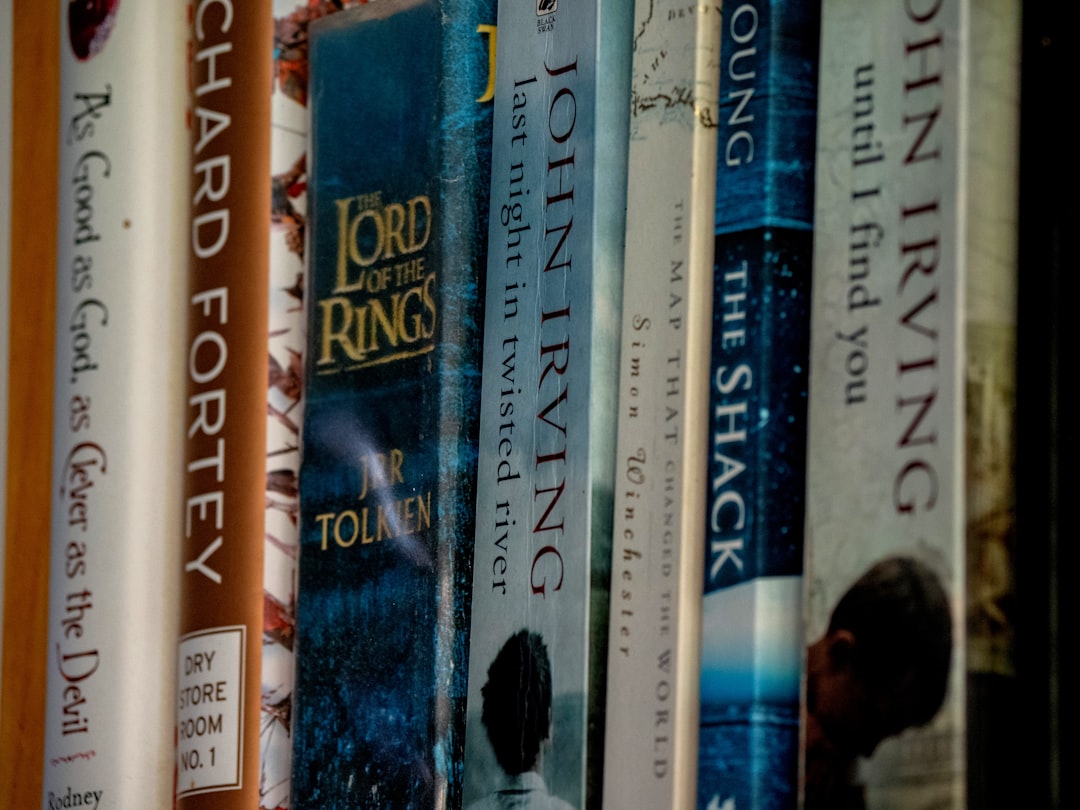
A new report from free-expression group PEN America says the number of non-fiction books banned in U.S. public schools doubled during the 2024–2025 school year, with titles about activism and social movements especially likely to be removed from classrooms and libraries.
The findings, based on an analysis of 3,743 unique titles removed between July and June, highlight how book challenges are increasingly focused not just on stories and characters, but on ideas, histories and real-world movements.
What the PEN America report found
PEN America, which tracks book removals and advocates for writers’ freedom of expression, examined school book bans across the United States for the 2024–2025 academic year. According to reporting by the Guardian on the new study, the group identified 3,743 distinct titles that were taken out of school libraries or classrooms during the July–June period.
Within that broader set of bans, PEN America reports that non-fiction titles were removed at roughly twice the rate seen the previous school year. The organization’s analysis, as described in the Guardian account, indicates that this is not just a numerical increase in overall bans, but a specific surge in restrictions on factual and documentary works.
The report also notes that books about activism and social movements were disproportionately targeted within the non-fiction category. While the Guardian summary does not provide a full breakdown by title or topic, it emphasizes that works addressing organized efforts for social or political change were a central focus of recent removal campaigns.
Because PEN America’s dataset is based on reported bans, it reflects documented removals rather than every possible instance of a book quietly taken off shelves. The group’s methodology, as described in past reporting about its work, typically relies on public records, school board minutes and direct reports from districts and educators. The Guardian article presents the new numbers as PEN America’s latest national snapshot, not as a definitive census of all book removals.
Why the shift toward non-fiction matters
The doubling of non-fiction bans is significant because it changes what kind of information students can access in school settings.
Fiction bans often focus on characters, language or plotlines that some parents or officials consider inappropriate. Non-fiction bans, by contrast, directly affect students’ access to factual accounts, historical narratives and explanatory works about the world around them.
According to the Guardian’s description of the PEN America report, many of the newly banned non-fiction titles deal with activism and social movements. That means students are more likely to encounter gaps when they look for:
- Accounts of how particular movements organized and operated
- Biographies of activists and organizers
- Explanations of why certain protests or campaigns emerged
When those books are removed from school libraries and classrooms, the result is not just fewer reading options but a narrower range of documented perspectives on recent and historical events.
How bans on activism-focused books shape the classroom
The PEN America findings, as reported by the Guardian, suggest that activism-related non-fiction has become a particular flashpoint.
In practical terms, this can affect how teachers and students handle topics that are already sensitive or contested. If a school library no longer carries certain books on social movements, teachers may have fewer approved materials to draw on when designing lessons or recommending independent reading. Students who want to explore how people have organized for change in different eras may find that the most accessible, age-appropriate introductions have been taken off the shelves.
Because the report highlights activism and social movements as targeted themes, the bans are not just about explicit content or age-appropriateness in the narrow sense. They also touch on which civic experiences and political histories are considered acceptable for young people to study in detail.
Who is affected and what is at stake
The immediate impact of these bans falls on students and educators in the districts where titles have been removed.
Students face a more limited selection of non-fiction, particularly on contested or politically charged topics. For a student researching a social movement for a class project, the absence of certain books may mean relying on fewer sources or on materials that present a narrower range of viewpoints.
Teachers and librarians must navigate the new boundaries. When books are formally removed, staff are typically expected to comply with district decisions, which can constrain how they build reading lists or respond to students’ questions. The Guardian’s account of the PEN America report underscores that these are not isolated single-title disputes but part of a broader pattern of removals.
Authors and publishers of non-fiction, especially those writing about activism and social movements, may find that a key audience—school-age readers—has reduced access to their work. While the Guardian article does not quantify the impact on particular authors, the overall rise in non-fiction bans implies that more such works are being kept out of school circulation.
At stake is not only the number of books available, but the scope of ideas and documented histories that students can encounter in the institutions where they spend much of their time.
How strong is the evidence we have?
The central numbers in this story come from PEN America’s tracking, as conveyed through the Guardian’s reporting. That gives the findings a clear source and methodology, but also some limits.
PEN America has become one of the main organizations compiling national data on school book bans, and its reports are widely cited. At the same time, the Guardian article is, at present, the primary public account of this particular 2024–2025 school year analysis.
That means:
- The claim that non-fiction bans have doubled is well-attributed to PEN America, but independent corroboration from other national datasets has not yet been reported in the same level of detail.
- The description of activism and social movements as heavily targeted themes is grounded in PEN America’s categorization of titles, as relayed by the Guardian, rather than in a separate, publicly available database readers can easily inspect.
Within those constraints, the numbers and patterns described in the Guardian piece are consistent with PEN America’s broader focus and past work. Still, the scale and exact distribution of bans across states, districts and grade levels will be clearer if and when more detailed documentation or additional analyses are released.
What to watch next
The PEN America report, as reported by the Guardian, offers a snapshot of a fast-moving situation rather than a settled landscape.
Several developments will help clarify the longer-term significance of the doubling in non-fiction bans:
More granular data releases. If PEN America or other organizations publish district-level or title-level lists for the 2024–2025 school year, it will become easier to see which kinds of activism-related books are most frequently removed and where.
Responses from school districts and state officials. The Guardian article centers on PEN America’s findings; it does not detail how districts or policymakers are reacting. Future reporting may show whether some districts reverse bans, tighten review processes or defend the removals as permanent.
Trends in the next school year. Whether non-fiction bans continue to rise, level off or decline in 2025–2026 will indicate whether this year’s spike is a turning point or a peak.
For now, the new report underscores that the current wave of school book bans in the United States is not confined to novels or story collections. It is increasingly reshaping which factual accounts, histories and explanations of social movements students can find in the very places designed to help them learn about the world.