A conference centered on rejecting mainstream climate science has arrived in Washington, drawing attention from supporters and critics at a moment when regulators in other countries are weighing how to handle climate misinformation.
The New York Times reported under the headline “Climate Denial Comes to Washington” that organizers and speakers are using the event to challenge the scientific consensus that human activity is driving global warming. The gathering, held in the U.S. capital, is being framed by participants as a pushback against what they describe as climate “alarmism,” according to the Times’ account.
At the same time, the climate-skeptic site Watts Up With That reported that the U.K. media regulator Ofcom has opened an investigation into complaints of climate change denial in broadcast content. That separate development underscores how disputes over climate science and speech rules are playing out in different political systems.
A Washington Stage for Climate Skepticism
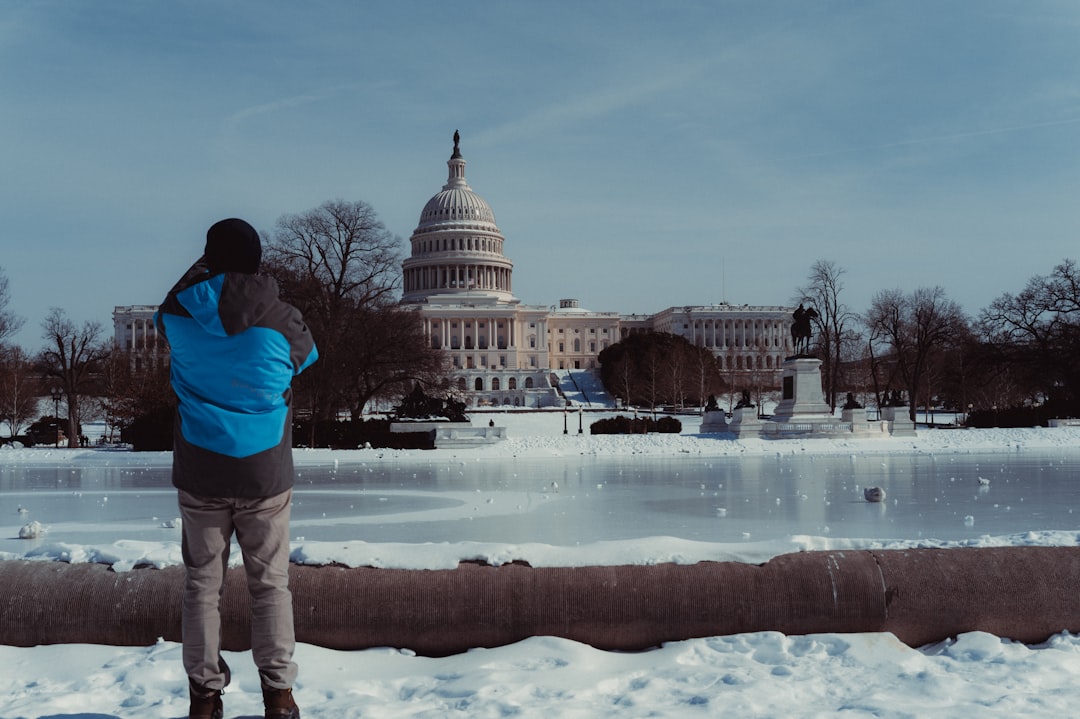
The New York Times described the Washington conference as explicitly focused on climate denial, with organizers promoting speakers who question or reject evidence that rising greenhouse gas emissions are warming the planet. The Times report placed the event squarely in the nation’s capital, signaling an effort by climate-skeptic groups to gain visibility where federal policy is made.
According to the Times, the conference program highlights themes of “climate,” “denial” and “change,” repeatedly positioning itself against mainstream scientific institutions and international climate bodies. Attendees, as described in the coverage, are being offered presentations that dispute temperature records, downplay projected impacts, or argue that current climate policies are unnecessary or harmful.
While the Times account does not list every organization involved, it characterizes the event as part of a broader push by climate-skeptic networks to influence public debate. By choosing Washington as the venue, organizers are situating their message close to lawmakers, agencies and advocacy groups that shape U.S. climate and energy decisions.
Parallel Fight Over Climate Denial in the U.K.
In the United Kingdom, a related dispute is unfolding over how broadcasters handle climate claims. Watts Up With That reported that Ofcom, the independent regulator overseeing television and radio, is investigating complaints that a program contained climate change denial.
The site, which regularly publishes content skeptical of mainstream climate science, framed the Ofcom probe as part of a broader campaign against dissenting views on climate. Its report said Ofcom is responding to viewer complaints, but it did not provide detailed findings, which have not yet been released.
Ofcom’s investigation, as described by Watts Up With That, focuses on whether broadcast content crossed a line from opinion into misleading information about climate change. The regulator’s process typically examines whether audiences were likely to be materially misled, but the site’s account did not specify which rules are at issue in this case.
Why the Washington Conference Matters
The Times’ description of “Climate Denial Comes to Washington” places the event in a wider battle over how climate information is presented to the public. By gathering in the capital, organizers are seeking attention from policymakers and media outlets that cover federal decision-making.
The coverage indicates that speakers at the conference are challenging established findings from national and international scientific bodies, including the core conclusion that human-caused emissions are the main driver of recent global warming. That stance runs counter to assessments from major scientific institutions, but within the conference, according to the Times, it is presented as a corrective to what participants call one-sided climate narratives.
The Washington gathering is occurring as some regulators, like Ofcom in the U.K., face pressure to scrutinize climate-related claims in media. While the Times report does not directly link the conference to specific U.S. regulatory moves, it situates the event in an environment where the boundary between debate and denial is under renewed scrutiny.
How Media and Regulators Are Responding
The New York Times’ decision to cover the Washington conference under a climate-denial framing reflects how major news outlets are treating such events: as challenges to established science rather than as equivalent sides in a scientific dispute. The article’s language, as summarized in the available evidence, emphasizes the contrast between the conference’s message and the consensus among climate researchers.
Watts Up With That, by contrast, presents Ofcom’s investigation as a threat to climate-skeptic viewpoints. Its report argues that complaints about climate change denial are being used to pressure broadcasters, though it does not provide Ofcom’s perspective or any final ruling.
Taken together, the two accounts show how disputes over climate information are moving on two tracks. In Washington, climate-skeptic groups are seeking a platform near political power. In the U.K., regulators are assessing where to draw lines on climate content in broadcast media. Both developments, as reported, revolve around the same core terms: climate, denial and change.
What to Watch Next
In the coming days, attention is likely to focus on how policymakers and advocacy groups in Washington respond to the climate denial conference. The New York Times coverage suggests that organizers are seeking influence and visibility; follow-on statements, media appearances or policy briefings from speakers may indicate how far they intend to push their message into legislative or regulatory debates.
In the U.K., the next key marker will be any formal decision or statement from Ofcom on the complaints reported by Watts Up With That. A published ruling or guidance could clarify how the regulator expects broadcasters to handle climate-related claims and whether certain forms of climate denial are judged to mislead audiences.
Together, these developments may shape how climate arguments are framed in both political and media arenas. Readers can watch for additional reporting from the New York Times on the Washington event and for official updates from Ofcom to understand how the balance between open debate and factual accuracy is being drawn in the climate conversation.