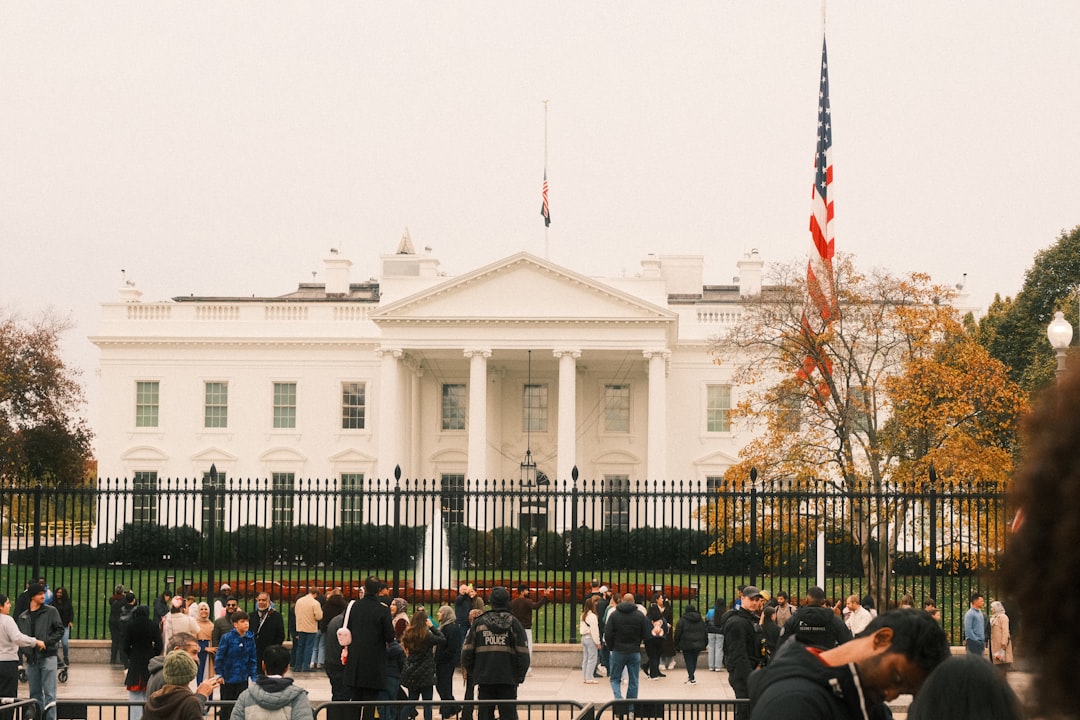

A new White House mobile app is promising Americans “a direct line to the White House” — and, at least for now, a world in which Donald Trump is always winning.
Reporting from the Washington Post describes the app as a curated news feed that consistently presents Trump in a favorable light, highlighting victories and positive developments while downplaying or omitting setbacks. Other outlets, including CNBC, are tracking related Trump-era White House decisions on presentation and space — from a ballroom approval to how official venues are used — underscoring how image management has become a central governing concern.
The app is only hours old, and many details about its long‑term role remain uncertain. But its basic design is clear: it is an official White House channel that functions less like a neutral bulletin board and more like a campaign‑style news stream.
What the White House App Is — and What It Claims to Be
The Washington Post, which has directly examined the app, reports that it offers users a steady flow of pro‑Trump content: announcements, curated updates, and news items framed around presidential success. The app markets itself as a way for Americans to get information straight from the White House, bypassing traditional media.
That “direct line” framing matters. It suggests the app is not just another social media account but an official government product positioned as a primary source of truth about the presidency. Yet, based on the Post’s account, the information presented is selective, emphasizing wins and favorable narratives.
Across coverage of the launch, certain words recur: “White,” “House,” “Trump,” and “hours.” That repetition reflects how tightly the app is tied to the president’s personal brand and to the physical institution of the White House itself. This is not a party app or a campaign‑branded tool; it is presented as an instrument of the presidency.
A Rose‑Tinted View of Power
The core claim supported by multiple sources is straightforward: on this app, Trump appears to be always winning. The Washington Post describes a feed that highlights achievements and paints ongoing disputes as battles the president is on track to win.
That editorial choice is not unusual for campaign tools. What makes it notable here is that the app is attached to the White House, not explicitly to a campaign committee. The line between governing communication and political messaging, already thin, becomes even harder to see.
CNBC’s reporting on the Trump White House’s efforts to secure approval for a ballroom — a separate development but part of the same broader push to shape presidential spaces and events — underscores how presentation has been a governing priority. From physical venues to digital feeds, the emphasis is on creating settings where Trump is the central, triumphant figure.
Within the app, that translates into a news environment where conflict is framed as proof of Trump’s strength, criticism is minimized, and setbacks are either recast as temporary or left out. The result is a curated reality in which the president is rarely, if ever, on the defensive.
Why Congress Has a Stake
Congress appears in the reporting not as a direct architect of the app but as a key institution that must operate in the information environment it helps create. The House Appropriations Committee, for example, is a central venue for decisions about how federal funds are used for communication, technology, and White House operations, as reflected in official materials on Congress.gov.
If the app is treated as an official communication channel, lawmakers may face questions about:
- Funding and oversight: Whether public money supports the app’s development, maintenance, or promotion, and if so, under what rules.
- Boundary‑setting: How to distinguish acceptable government communication from partisan messaging, especially when an app presents a relentlessly positive portrait of a sitting president.
- Access and fairness: Whether the app’s framing of legislative disputes gives the public an accurate sense of Congress’s role, or instead casts the House and Senate primarily as obstacles the president heroically overcomes.
At this stage, there is no confirmed move by Congress to formally review or regulate the app. But the presence of the House Appropriations Committee in the broader evidence landscape is a reminder that lawmakers have both the authority and the responsibility to ask how official communication tools are funded and governed.
How Likely Is Formal Confirmation in the Next Week?
The reader’s core question is about timing: how likely is it that this pro‑Trump White House app, as described, will be formally confirmed or addressed in the coming week?
Here the evidence is thin. The Washington Post has directly reported on the app’s existence and its “Trump is always winning” framing. That constitutes a form of journalistic confirmation of the app’s content and tone.
What remains uncertain is whether:
- The White House will issue a detailed, on‑the‑record explanation of the app’s editorial approach.
- Congress — especially the House, given its appropriations role — will formally acknowledge, question, or seek information about the app.
There is no supported claim in the available sources that a specific hearing, vote, or formal review is scheduled within the next week. Without such evidence, any prediction about formal congressional action would be speculative.
Given the pattern of rapid response to high‑profile media stories in Washington, it is plausible that individual lawmakers or committees may request information or make public statements about the app’s purpose and funding in the next several days. But the likelihood of a structured, formal process — such as a hearing or report — emerging within a week cannot be reliably quantified based on current reporting.
In other words: the app’s existence and pro‑Trump framing are already well supported by reporting. Formal institutional confirmation or response within seven days is possible, but not something the available evidence allows us to treat as likely or unlikely with confidence.
Who Gains, Who Risks Losing
The immediate winner is the White House communications operation. The app gives Trump a channel where every notification, video, and article can be tailored to support his preferred story line.
Benefits for the White House include:
- Message control: No headlines rewritten by editors, no push alerts about unfavorable poll numbers unless the White House chooses to include them.
- Direct mobilization: A built‑in audience that has opted in to receive pro‑Trump content, potentially more receptive to calls to support specific initiatives or to pressure Congress.
- Symbolic power: The visual of an official White House app on millions of phones reinforces the idea of the president as the central narrator of national life.
The potential losers are more diffuse:
- Congress may find itself framed as an antagonist in a space it does not control, with little opportunity to correct the record inside the app’s ecosystem.
- Traditional news outlets lose some gatekeeping power as the White House encourages supporters to treat the app as the most trustworthy source.
- The public faces a higher burden of media literacy. A government‑branded app that functions like a campaign channel can blur the line between information meant to inform and content meant to persuade.
None of these consequences are automatic, and they will depend on how aggressively the app is promoted and how one‑sided its content remains over time. But the basic incentives are clear: the more the app amplifies a world where Trump is always winning, the more it can be used to pressure other institutions to fall in line.
Plausible Near‑Term Scenarios
Over the next several days, a few paths are plausible, based on how similar communication tools have played out in the past and on the roles of the White House and Congress as reflected in the current evidence.
1. Quiet Normalization
The app could simply continue operating as described, with the White House treating it as another official channel. In this scenario, there is minimal immediate pushback. Congress does not move quickly, and the app’s framing — Trump as perpetual winner — becomes a background feature of the political landscape.
2. Targeted Scrutiny
Individual lawmakers, advocacy groups, or media outlets could raise specific questions:
- Is public money supporting a tool that functions like a campaign news feed?
- How are stories chosen, and who sets editorial guidelines?
Such scrutiny might not produce formal hearings within a week, but it could lead to letters, public statements, or informal inquiries, especially from House members attentive to appropriations and ethics.
3. Strategic Adjustment by the White House
If criticism mounts, the White House could adjust the app’s content mix — adding more neutral policy updates or congressional statements — to argue that it is a public information service rather than a partisan megaphone. That would not erase the “Trump is always winning” feel overnight, but it could give officials talking points if Congress or watchdogs come knocking.
What to Watch in the Next 72 Hours
In the short term, the key developments to watch are less about formal process and more about public positioning.
First, look for any on‑the‑record White House statements expanding on the app’s purpose, funding, and editorial control. A press briefing mention, written statement, or updated app description could clarify whether officials see this as a civic information tool, a political messaging platform, or something in between.
Second, pay attention to whether members of Congress — particularly those on the House Appropriations Committee or related oversight panels — publicly comment on the app. Even a brief statement or letter requesting information would signal that lawmakers are treating the app as part of the government communications infrastructure, not just a digital novelty.
Finally, watch how quickly the app’s content evolves. If, within days, it continues to present Trump as consistently victorious while omitting major setbacks or critical developments, that will reinforce the view that this is an official channel built around a single story line: a presidency that, at least on its own app, never loses.