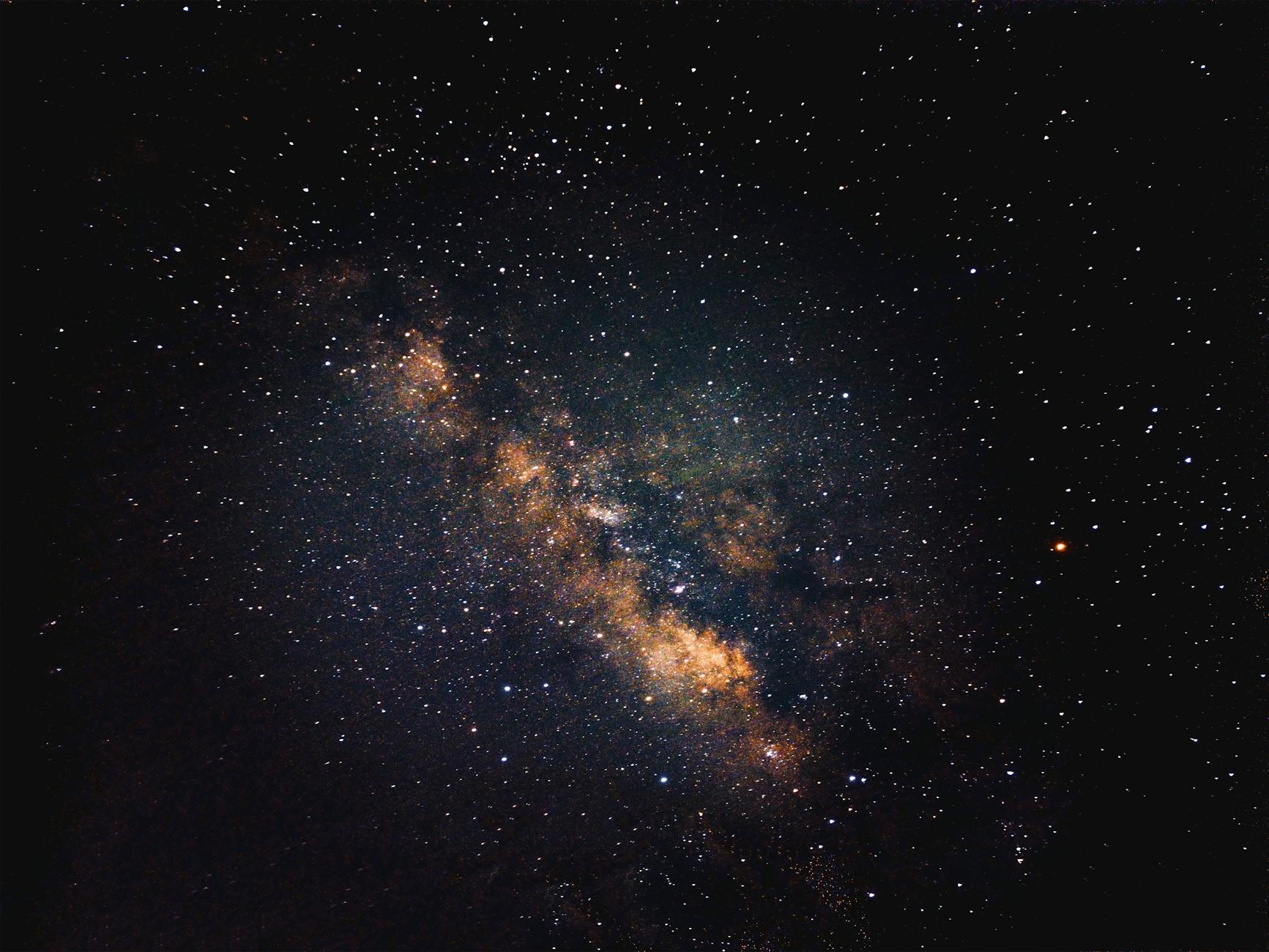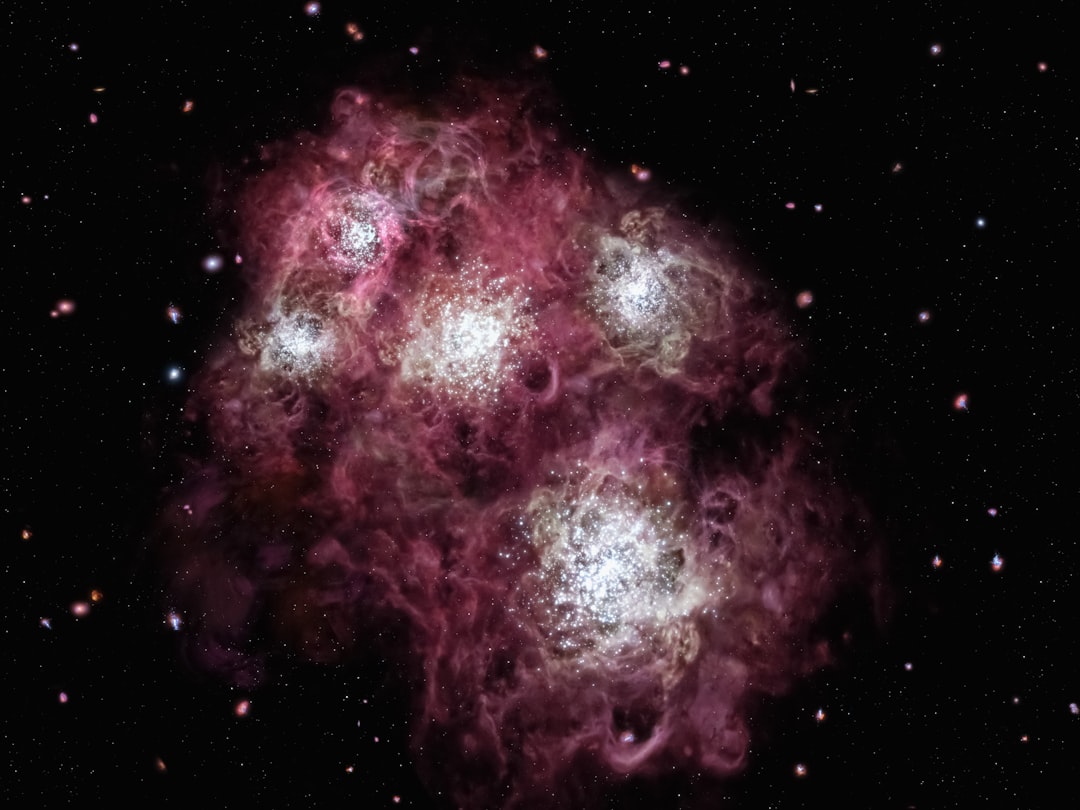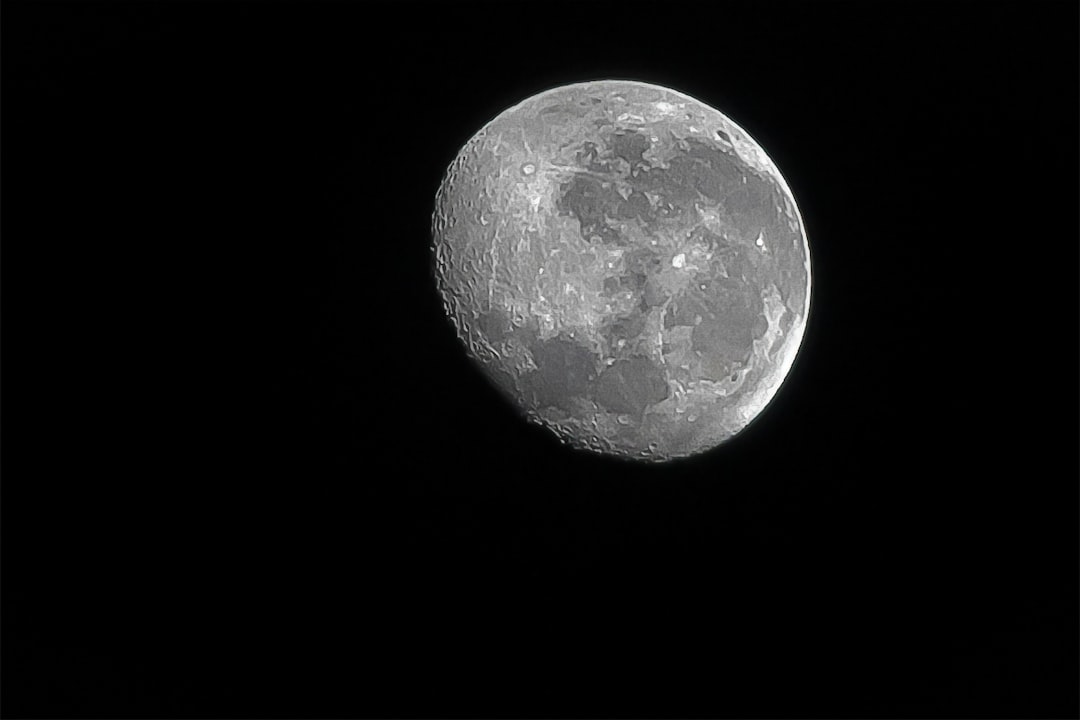
NASA’s Astronomy Picture of the Day (APOD) for August 17, 2026, is more than a striking space image. It is a small but telling window into how scientific imagery is curated, explained, and shared with the public.
The APOD project, hosted on NASA’s science site under the banner “Discover the cosmos!”, publishes one image and a short explanation each day. The August 17 entry continues that pattern, pairing a professionally prepared astronomical image with an accessible description and links to surrounding days in the archive.
While NASA’s public page for August 17 focuses on the daily image and its explanation, the way the page is structured — including references to professional material, submissions, and an archive — reveals how APOD balances expert oversight with community contribution.
What APOD Is and How August 17 Fits In
NASA’s science site presents APOD as “Astronomy Picture of the Day,” a long‑running feature that offers one image or photograph each day, accompanied by a brief explanation written by a professional astronomer. The August 17, 2026 entry appears in this standard format, listed as “APOD: 2026 August 17” alongside navigation to “Today’s APOD,” the archive, and a calendar.
The August 17 page sits between August 16 and August 18 in the APOD calendar, and NASA’s own APOD entry for August 16, 2026, follows the same structure: a single featured image, a concise explanation, and links into the broader archive. Together, the two days show that August 17 is not a special one‑off but part of a consistent daily sequence.
NASA’s presentation emphasizes two elements:
- A single focal image: Each date highlights one primary visual — often a telescope image, sky photograph, or space mission view.
- A short, guided explanation: The text is described and presented as an “explanation,” signaling that the image is not just decorative but is interpreted for readers.
This is the framework within which the August 17 APOD should be understood: a daily, curated science communication product, rather than a standalone news event.
A Daily Image With Professional Explanation
Across the August 16 and 17 entries, NASA’s APOD pages repeatedly foreground the idea of a professional explanation. The format makes clear that the descriptive text is not anonymous captioning; it is framed as an expert’s account of what the image shows and why it is interesting.
That professional framing matters for two reasons:
- Authority of interpretation: By signaling that the explanation is written by a professional, APOD tells readers they are getting an interpretation grounded in current astronomical understanding, not just a casual description.
- Consistency across days: Because both August 16 and 17 follow the same explanation‑plus‑image structure, readers can move through the archive knowing what to expect: a visually appealing image and a concise, expert‑driven narrative about it.
NASA’s own wording around APOD — including the tagline “Discover the cosmos!” and the emphasis on explanation — positions the August 17 entry as part of an ongoing effort to make complex astronomical data approachable without sacrificing scientific grounding.
Submissions and the Role of Contributors
The August 17 APOD page sits inside a broader APOD environment that includes a “Submissions” link and references to an archive and index. NASA’s APOD interface, as presented on its science site, indicates that images can be submitted, and that there is a process for considering those submissions.
The presence of a submissions pathway, alongside references to professional explanation, suggests a two‑step model:
- Source of images: Images may come from professional observatories, space missions, or contributors who submit their work for consideration.
- Layer of explanation: Regardless of origin, the chosen image is paired with a professionally written explanation that places it in scientific context.
The August 17 entry, like August 16, is embedded in this system. While NASA’s page for August 17 does not spell out who captured that day’s image, it appears within a framework that openly acknowledges both professional content and community submissions.
Why the August 17 Entry Matters Beyond the Image
On its face, a single day’s APOD might look like a small event. However, the way NASA presents August 17 and nearby dates offers insight into how public science communication is structured.
From the details visible on NASA’s science pages for August 16 and 17, several points stand out:
- Curation is explicit: The daily structure, archive, and calendar show that each APOD — including August 17 — is selected and placed deliberately, not generated automatically.
- Explanation is central, not optional: The repeated use of the word “explanation” signals that APOD is as much about interpretation as imagery.
- Professional and public roles are distinguished: References to professional material and to submissions indicate that while many can contribute images, the explanatory voice remains anchored in professional astronomy.
For readers, this means that the August 17 APOD is not just a pretty picture. It is a curated, interpreted snapshot of current astronomical knowledge, presented in a way that assumes curiosity but not prior expertise.
How the Archive Shapes the August 17 Experience
NASA’s APOD pages link August 17 into a larger archive, with navigation tools such as “Today’s APOD,” “Archive,” “Index,” “Search,” and “Calendar.” The August 16 entry, documented on the same NASA domain, confirms that this structure is active and used from day to day.
That archival context changes how the August 17 image functions:
- Comparative viewing: Readers can move from August 17 to surrounding dates, seeing how topics shift and what themes recur.
- Educational use: Teachers and learners can pull specific days — including August 17 — from the archive to illustrate particular concepts, knowing each has a professional explanation attached.
- Trace of priorities: Over time, the sequence of APODs, including August 17, offers a record of what kinds of astronomical phenomena NASA and its APOD editors choose to highlight.
Because the August 17 entry is fully integrated into this archive, it contributes to a cumulative picture of how NASA presents the cosmos to the public.
What Readers Can Take From the August 17 APOD
Given the limited public details available from NASA’s science pages for August 16 and 17, several grounded takeaways emerge about the August 17 APOD specifically:
- It is a single, curated astronomy image selected for that date.
- It is accompanied by a brief, professional explanation aimed at a general audience.
- It exists within a daily sequence and searchable archive, not as an isolated post.
- It is part of a system that accepts submissions but maintains a professional explanatory voice.
For readers, the practical implication is straightforward: the August 17 APOD can be treated as a reliable, expert‑guided entry point into a specific astronomical subject, framed to be both visually engaging and scientifically grounded.
What to Watch in Future APOD Entries
While NASA’s August 17 APOD is one day in a long‑running series, its structure and presentation underscore patterns that are likely to continue:
- Daily images will remain professionally explained, maintaining a clear line between contribution and interpretation.
- The archive and calendar will keep tying each new entry — including August 17 — into a broader, navigable record of what the APOD editors choose to highlight.
As new APODs are added, readers who return to August 17 will see it less as a standalone moment and more as one carefully chosen frame in an evolving visual record of the cosmos.