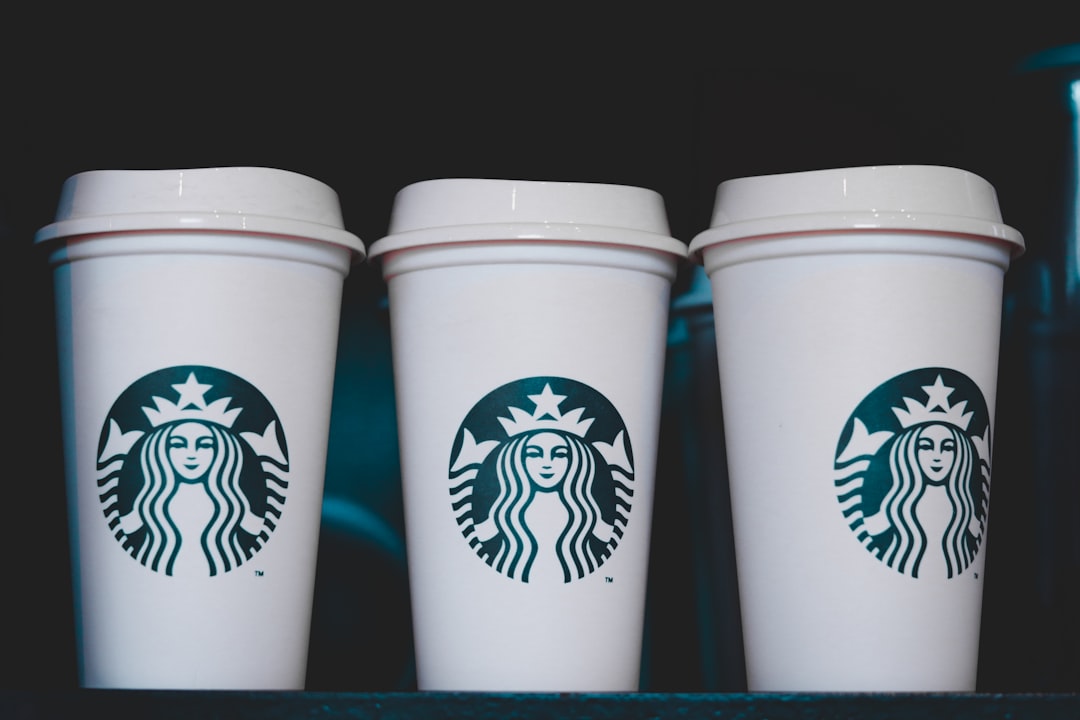
Researchers working with environmental watchdog group Beyond Plastics say plastic cups that Starbucks labels as “widely recyclable” did not end up at recycling facilities, even when customers used the company’s own in‑store recycling bins.
According to a report described by the Guardian, the group attached GPS trackers to Starbucks plastic cups and then disposed of them in recycling bins at Starbucks locations. The report says none of the tracked cups arrived at a recycling plant, undermining the impression that the cups are routinely recycled in practice.
What the watchdogs say they found
Beyond Plastics, an advocacy organization that focuses on plastic pollution, organized the tracking project to test whether Starbucks’ packaging claims matched what happens to its waste stream.
Researchers placed GPS devices inside Starbucks plastic cups that the company describes as “widely recyclable.” They then dropped those cups into recycling bins inside Starbucks stores, where customers are encouraged to separate items for recycling.
The Guardian reports that, when investigators later checked the GPS data, none of the cups appeared at a recycling facility. Instead, the trackers indicated that the cups moved through the waste system without reaching a plant that processes materials for reuse.
The report, as described, does not specify how many cups were tracked, which cities were involved, or over what period the tests were conducted. It focuses on the gap between what customers are led to believe about recyclability and what the tracking data suggests actually happens to the cups.
Why the “widely recyclable” label matters
Starbucks markets these plastic cups as “widely recyclable,” a phrase that signals to customers that local recycling systems can typically handle the material. The Beyond Plastics findings, as reported, suggest that in the locations tested, that claim did not match the real‑world outcome of the cups placed in store bins.
The Guardian’s account of the report indicates that this discrepancy is at the core of the watchdogs’ concern. Customers who see the “widely recyclable” label and the in‑store recycling bins may reasonably assume their cups are being recycled when they follow the instructions. The tracking data, as described, points instead to the cups bypassing recycling facilities altogether.
Because the available reporting is based on a single watchdog investigation, it is not yet clear how representative these findings are of Starbucks’ broader operations or of all its store locations. The Guardian’s coverage notes the conclusions of the Beyond Plastics report but does not provide independent operational data from Starbucks’ waste contractors or municipal systems.
How this challenges Starbucks’ public messaging
Starbucks has made public commitments around sustainability and waste reduction in recent years, including efforts to cut single‑use packaging. The Guardian reports that the Beyond Plastics investigation directly tests one visible piece of that effort: the claim that the company’s plastic cups are “widely recyclable” and that in‑store bins help ensure those materials are actually recycled.
By showing that tracked cups did not end up at recycling plants, the watchdogs argue that the company’s marketing and in‑store signage may give customers a misleading impression about what happens to their waste. The Guardian’s reporting presents this as a challenge to Starbucks’ narrative that its packaging choices and store systems significantly reduce the environmental impact of its disposable cups.
The article summarizing the Beyond Plastics report does not detail Starbucks’ full response to the specific GPS‑tracking findings, nor does it include technical explanations from the company or from waste haulers about how the cups are handled once they leave stores. As a result, readers currently have a clear picture of the watchdogs’ methods and conclusions, but only limited insight into how Starbucks or its partners account for the cups’ final destination.
What is at stake for customers and the company
The Guardian’s account of the Beyond Plastics report raises two immediate issues: what customers can reasonably expect when they see recyclability claims, and how accurately Starbucks’ packaging labels reflect what happens in practice.
For customers, the findings suggest that putting a Starbucks plastic cup into a store recycling bin may not lead to that cup being recycled, at least in the cases tracked by the watchdog group. That gap between expectation and outcome is central to Beyond Plastics’ critique.
For Starbucks, the report questions the credibility of its sustainability messaging around plastic cups. If cups labeled “widely recyclable” are not being recycled in practice, the company may face pressure from advocates and regulators to clarify its claims or change how its cups are handled.
At this stage, the public record of the investigation comes primarily from the Guardian’s reporting on the Beyond Plastics study. Independent corroboration of the tracking results and of Starbucks’ internal recycling performance is limited, and additional reporting could either reinforce or complicate the picture painted by this initial account.
Why this matters and what to watch next
The Beyond Plastics report, as described by the Guardian, does not just question a technical label on a cup. It challenges whether one of the world’s most recognizable coffee chains is delivering on a specific, testable part of its sustainability narrative.
If further reporting confirms that Starbucks’ “widely recyclable” cups routinely bypass recycling plants even when customers use in‑store bins, the company may need to adjust either its packaging claims or its waste‑handling systems. If additional evidence shows that some locations or systems do recycle the cups as advertised, that could narrow or refine the watchdogs’ critique.