
The Trump administration has announced a sweeping rollback of federal gun regulations, a move that gun control advocates say could weaken oversight of firearms and complicate future court challenges.
The policy shift, described in coverage by the New York Times on 10 May, was unveiled in Washington two days ago. The report characterizes the change as a sharp curtailment of existing gun rules, though the administration has not yet released a full public rule text detailing each provision.
According to the Times account, the announcement prompted swift criticism from gun control organizations, which argued that the administration’s approach could make it harder for federal agencies to enforce existing gun laws. Supporters of the move, not quoted directly in the available coverage, were described as aligned with the administration’s longstanding effort to reduce what it views as regulatory burdens.
What the administration announced
The New York Times report describes the action as a “sweeping rollback” of gun regulations by the Trump administration, but it does not provide a full list of specific rules being changed. Based on that reporting, the administration framed the move as a recalibration of federal authority over firearms, with an emphasis on limiting the scope of regulations adopted in prior years.
The announcement came from the administration rather than Congress, indicating that the changes are being pursued through executive action and agency rulemaking rather than new legislation. The Times account ties the move directly to President Donald Trump’s broader regulatory agenda, which has focused on reversing or narrowing rules adopted under previous administrations.
Coverage notes that the changes were presented as a significant shift rather than a minor technical adjustment. However, the available reporting does not yet spell out how the rollback will affect specific categories of firearms, background checks, or enforcement tools, leaving key operational details unclear.
Immediate reaction and criticism
Gun control advocates quickly condemned the administration’s decision, according to the New York Times report. Organizations that favor stricter gun laws argued that loosening federal rules could undermine efforts to reduce gun violence and close enforcement gaps.
Critics quoted in the coverage contended that the rollback moves in the opposite direction of what they see as necessary safeguards. They warned that easing regulations may make it harder for federal agencies to track certain firearms or intervene before guns are transferred to prohibited buyers. The Times account notes that these groups framed the decision as prioritizing deregulation over public safety.
The same reporting indicates that the announcement is likely to intensify the political divide over gun policy in Washington. While the article does not provide detailed comments from gun rights organizations or Republican lawmakers, it situates the move within a long-running partisan split over how aggressively the federal government should regulate firearms.
Legal and institutional stakes
The New York Times report links the administration’s action to ongoing disputes over how far executive agencies can go in regulating guns without new laws from Congress. By sharply curtailing existing rules, the Trump administration is testing the boundaries of executive authority in the opposite direction—using the same tools to pull back where previous officials had tightened oversight.
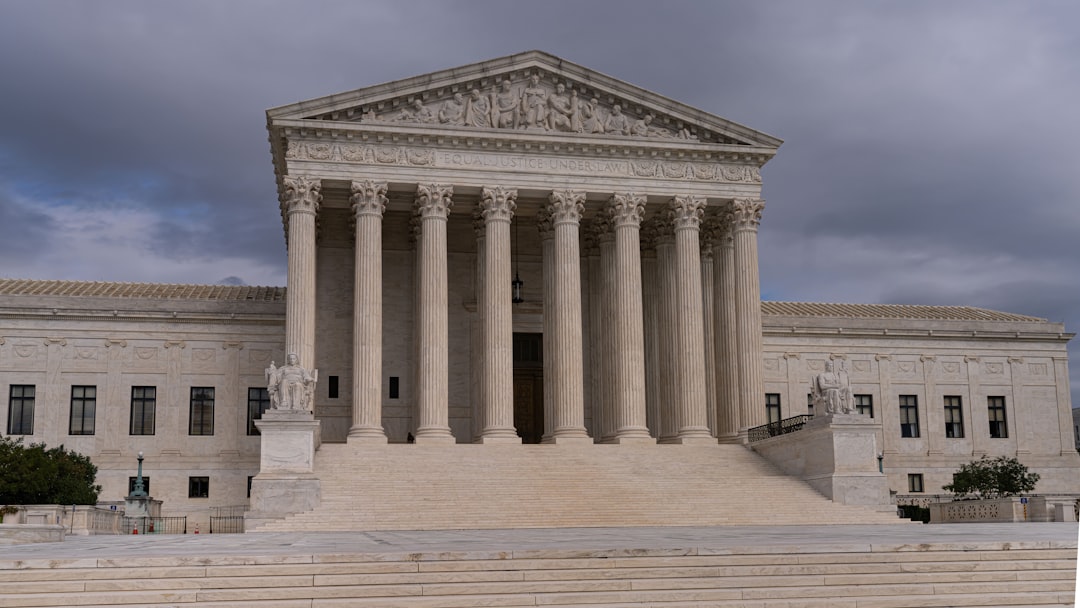
The Supreme Court is identified in the story context as one of the institutions involved in the broader stakes. While the available coverage does not describe a specific, named case tied directly to this week’s announcement, it indicates that the rollback could shape future litigation that reaches the Court.
In recent years, the Supreme Court has heard multiple disputes over the scope of gun rights and the extent of permissible regulation. The Times reporting suggests that the administration’s move is being watched in that context, as changes to federal rules can both trigger new lawsuits and alter the legal landscape in which justices evaluate Second Amendment challenges.
The institutional stakes extend to federal agencies charged with enforcing gun laws. The rollback, as described, could narrow the tools those agencies rely on, though the available reporting does not detail specific operational changes. Critics quoted by the Times argue that this may weaken the government’s ability to respond to gun trafficking and other violations, while supporters see it as a necessary correction to what they regard as overreach.
How this fits into the administration’s broader regulatory approach
Although the New York Times coverage focuses on gun rules, it situates the move within a wider pattern of regulatory rollbacks under President Trump. The article notes that the administration has repeatedly used executive authority to unwind or narrow existing regulations across multiple policy areas.
Separate reporting by the Guardian on 10 May, covering a different Trump administration initiative to reclassify cannabis, reinforces that picture of a White House willing to reinterpret or recast federal rules in ways that generate confusion and pushback. While that Guardian article deals with drug policy rather than firearms, it describes similar themes of regulatory change, rapid implementation, and concern from affected stakeholders.
Taken together, these accounts depict a governing style that relies heavily on administrative action to reshape federal policy. In the case of guns, the Times report emphasizes that the administration is moving quickly to dismantle or weaken regulations that gun control advocates had viewed as foundational.
What to watch next
In the coming days and weeks, legal and political responses are likely to clarify how far the rollback will go in practice. The New York Times report indicates that gun control organizations are preparing to challenge the changes, making lawsuits in federal court a near-term possibility.
Observers will also be watching for any formal rule publications or guidance documents from the relevant federal agencies. Those materials, once released, are expected to spell out how the new policy will be implemented, which specific regulations are being curtailed, and on what legal basis.
Finally, attention is likely to focus on whether the Supreme Court becomes directly involved. If the rollback triggers new litigation over the scope of federal gun authority, cases could eventually reach the justices, adding another layer of significance to the administration’s decision. For now, the available reporting underscores that the announcement has opened a new front in the ongoing national debate over guns, regulation, and executive power.