
Brazil’s latest punk resurgence is not a nostalgia act. It is a reaction to daily insecurity, joblessness and police violence, and it is unfolding in the same urban spaces where those pressures are most acute.
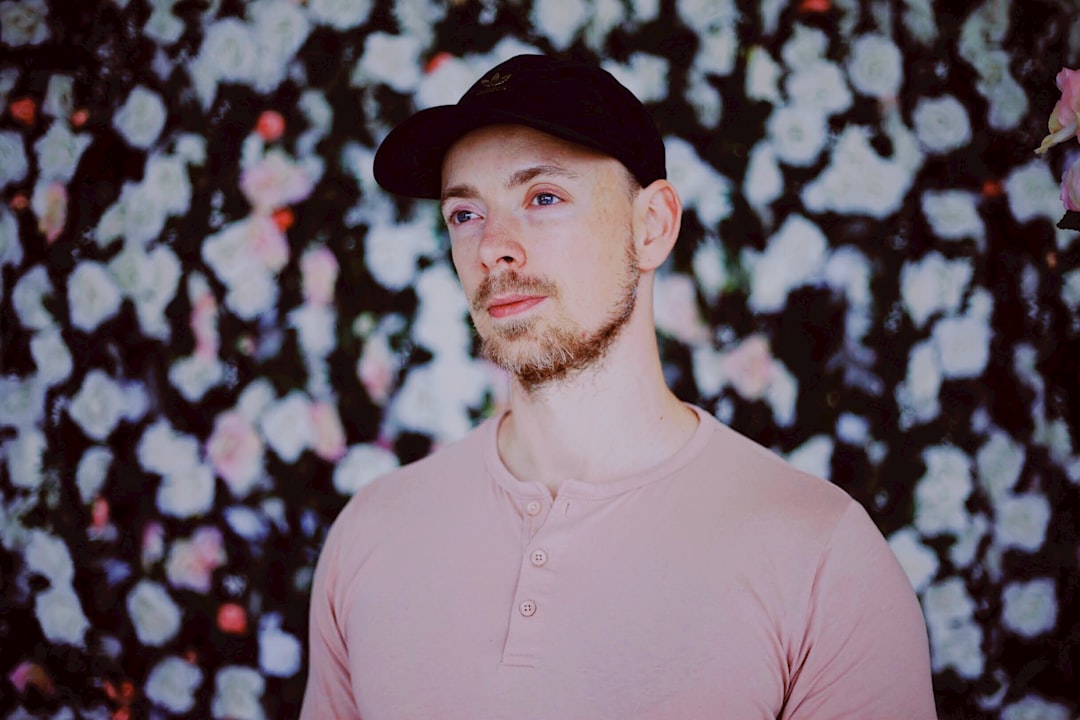
Reporting from Rio de Janeiro by the Guardian describes black-clad police storming a hillside favela as a black-clad punk, Rodrigo Cilirio, flees in fear, his hands shaking at the sight of the weapons trained on his community. The scene links two forms of power on the streets: the armed state and a subculture that has chosen anger and noise over silence.
Within that narrative, one question looms for readers: what concrete step is most likely to come next? Based on the evidence available, the most plausible near-term development is not a sudden policy shift or a crackdown, but the consolidation of punk as a more explicitly political organizing space for marginalized youth.
A Resurgent Scene Rooted in Hardship
The Guardian’s account frames the current wave of Brazilian punk as a direct response to unemployment, urban violence, police brutality and deprivation in low‑income neighborhoods.
Bands and fans interviewed describe anger as both a personal emotion and a political stance. The article’s headline — “We feel angry – and we have reason to be” — is drawn from this testimony, emphasizing that participants see their rage as grounded in lived experience rather than abstract ideology.
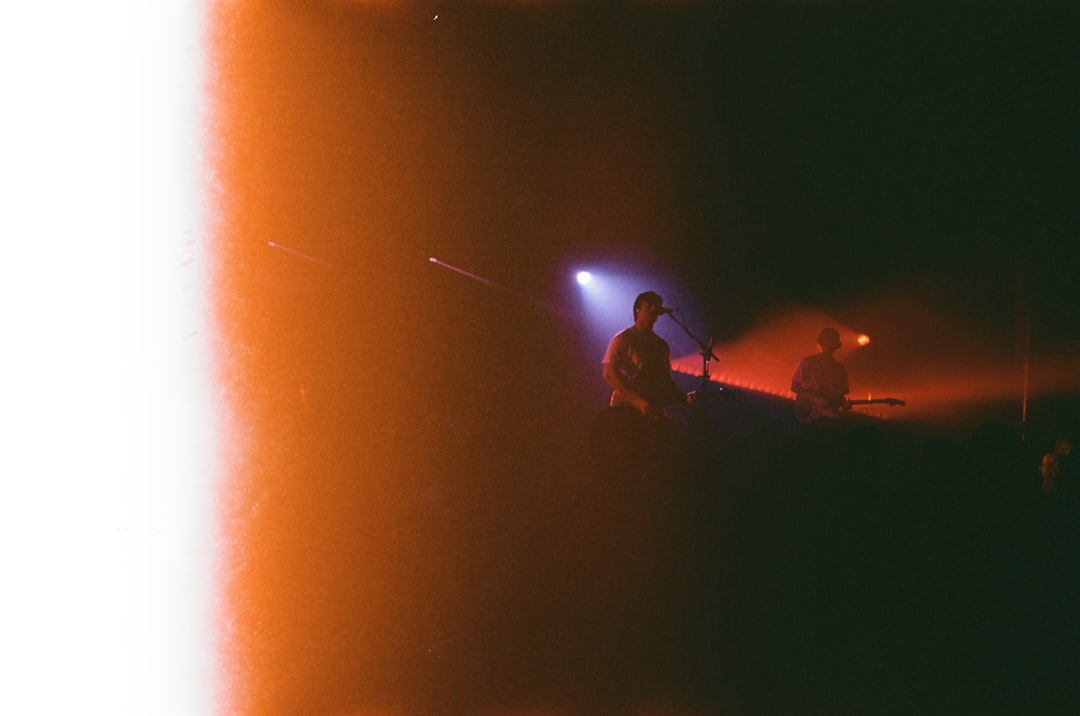
This is not merely stylistic rebellion. Shows are held in or near favelas and other precarious areas, where residents face frequent police operations and limited economic prospects. The same article connects the music to specific grievances: precarious work or no work at all, constant exposure to armed conflict between police and criminal groups, and the sense that institutions are not protecting, but targeting, poor communities.
In that setting, punk’s resurgence is less about a new musical trend and more about a renewed social function: providing language, imagery and gathering spaces for those who feel excluded from mainstream politics.
Why Punk Is Reappearing Now
The Guardian’s reporting links the current moment to a broader climate of frustration. While the piece does not offer detailed economic data, it consistently attributes the scene’s growth to unemployment and deprivation, especially among young people in urban peripheries.
Punk’s appeal in this context is practical as well as symbolic:
- Low barrier to entry. The genre’s do‑it‑yourself ethos makes it accessible to musicians without formal training or expensive equipment.
- Direct language. Lyrics can address police violence, corruption and daily fear in blunt terms, without the polish or ambiguity common in mainstream pop.
- Shared identity. Black clothing, patches and shows in marginal spaces create a visible counter‑public where anger is normalized rather than stigmatized.
The Guardian article anchors these points in interviews with scene participants who explicitly tie their involvement to dissatisfaction with their social and economic conditions. That evidence supports the interpretation that punk is functioning as a pressure valve and a megaphone for a segment of Brazilian youth who feel politically under‑represented.
Who Gains and Who Feels Threatened
Winners: Marginalized Youth and Independent Artists
For young people living with chronic insecurity, the resurgent punk scene offers several concrete benefits, as described in the Guardian’s reporting:
- Expression of grievance. Participants can name police brutality, unemployment and daily fear without self‑censorship.
- Community. Shows and informal networks create solidarity among people who share similar experiences of state violence and economic exclusion.
- Visibility. Simply existing as a loud, organized subculture in favelas and working‑class districts forces local authorities and media to acknowledge that anger.
Independent artists also gain a platform. In an environment where mainstream cultural industries may overlook or sanitize their perspectives, punk scenes allow them to build audiences on their own terms.
Exposed: Police and Local Authorities
The same factors that empower participants may unsettle state actors. The Guardian’s depiction of heavily armed police entering a favela while a punk fan flees in fear illustrates a relationship defined by confrontation and mistrust.
When a subculture openly denounces police brutality and urban neglect, it challenges the legitimacy of local authorities, at least in the eyes of its participants. While the article does not document an official response to the punk scene, it shows that the two forces — police power and punk resistance — occupy the same physical terrain and often collide.
In that sense, police and municipal officials are the stakeholders most likely to feel threatened by the scene’s growth, even if they have not yet articulated a coordinated reaction.
The Most Likely Next Confirmed Move
The reader question is specific: which concrete decision or action is most likely to be confirmed next in this story?
Based strictly on the Guardian’s reporting and the dynamics it describes, the most plausible next step is an increase in explicitly political organizing within the punk scene itself — for example, more shows framed as anti‑police‑violence events, benefit concerts for favela communities, or collaborations with local rights groups.
This assessment rests on several points supported by the article:
- Participants already articulate their anger in political terms, citing unemployment, police brutality and deprivation as systemic problems.
- The scene is expanding in spaces most affected by those issues, making it natural for cultural gatherings to blend into informal political assemblies.
- Punk’s DIY tradition, as reflected in the Guardian’s interviews, encourages self‑organization rather than reliance on formal parties or institutions.
By contrast, other potential developments — such as a formal government policy on punk events or a nationwide crackdown specifically targeting the subculture — are not suggested by the article’s evidence. They remain speculative and cannot be treated as likely near‑term outcomes on the current record.
How That Shift Could Change the Scene
If punk spaces in Brazil become more overtly political, several consequences follow logically from the dynamics the Guardian describes, even if they are not yet documented.
First, the line between concert and protest would blur further. Shows already function as expressions of anger; framing them explicitly around themes like police violence or unemployment would make that role more visible, both to participants and to authorities.
Second, the scene’s internal debates would sharpen. Some bands and fans may push for more direct activism, while others might prioritize artistic autonomy or fear greater exposure to repression. The Guardian’s emphasis on anger as a unifying emotion hints at this potential tension: shared rage does not automatically translate into shared strategy.
Third, the risk of confrontation could rise. The article’s opening image — police entering a favela as a punk flees — illustrates how close the physical proximity already is. If punk events become recognized as political gatherings, they may attract more police attention, whether for crowd control, intelligence‑gathering or deterrence.
These are not predictions of specific incidents, but logical extensions of the relationships and grievances the Guardian documents.
What to Watch Next
Given the limited but vivid evidence, several developments would clarify where this story is headed:
- Event framing. Do more Brazilian punk shows in favelas and working‑class districts advertise themselves around themes like anti‑police‑violence or unemployment, rather than purely as entertainment?
- Local partnerships. Do punk bands and organizers begin to coordinate with community associations, legal aid groups or human‑rights organizations that already document abuses in these neighborhoods?
- Official rhetoric. Do local or state authorities start referring to punk events in public statements — either as a security concern or as a legitimate form of cultural expression?
For now, the evidence from the Guardian supports a clear, if narrow, conclusion: Brazil’s resurgent punk scene is a structured outlet for justified anger at injustice. The most likely next concrete step is not a decision imposed from above, but a choice made within the scene — to turn that anger into more deliberate, collective political action in the very neighborhoods where the music is loudest and the grievances are deepest.