The US Senate has narrowly approved a measure to overturn a Biden administration ban on mining near Minnesota’s Boundary Waters Canoe Area Wilderness, setting up a clash over one of the country’s most visited wild landscapes. The resolution passed 50–49 on Thursday, according to reporting by the Guardian, and seeks to undo a 20‑year moratorium on new mining activity near the protected area.
The vote does not itself authorize a specific mine, but it aims to remove a federal safeguard that the Biden administration put in place to limit mining around the Boundary Waters, an interconnected system of lakes, rivers and forests in northern Minnesota.
What the Senate voted on
The measure approved by the Senate is a resolution to repeal a Biden‑era ban on mining near the Boundary Waters Canoe Area Wilderness. As described by the Guardian, the ban created a 20‑year moratorium on new mining in the region surrounding the wilderness area.
By a 50–49 margin, senators voted to overturn that moratorium. The narrow outcome underscores how closely divided the chamber is on the question of whether mining should be allowed closer to the Boundary Waters.
The Guardian’s account is currently the main detailed public report on the vote. Independent corroboration of the action remains limited and should be monitored as additional congressional records and news reports are published.
Why the Boundary Waters region matters
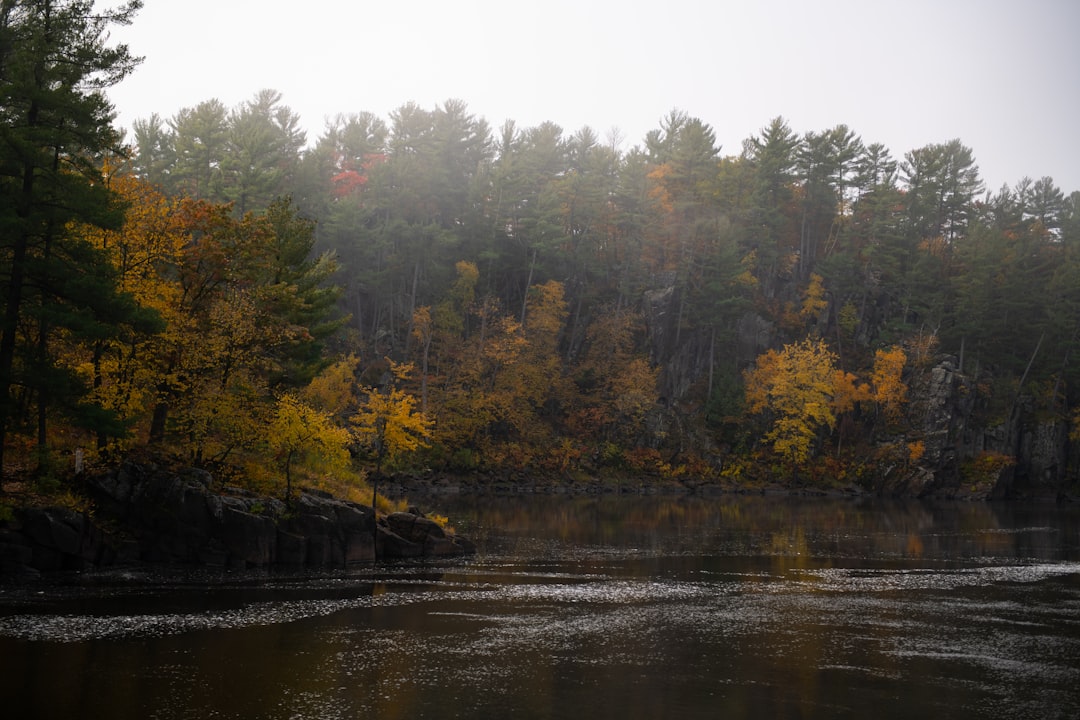
The Boundary Waters Canoe Area Wilderness is described by the Guardian as an “enormous complex” of connected lakes, rivers and forests and “among the most visited wild areas in the US.” Its popularity and ecological profile have made it a focal point in debates over mining, conservation and recreation in northern Minnesota.
The Biden‑era ban targeted mining activities near this wilderness, not inside it, with the stated aim of protecting the surrounding watershed that feeds into the canoe area. Overturning the moratorium would reopen the question of how close industrial activity can come to the protected landscape.
What changes if the ban is repealed
The Senate vote is a step toward removing the 20‑year mining moratorium, but it does not immediately change on‑the‑ground activity. The Guardian’s reporting focuses on the repeal of the ban itself and does not describe specific mining projects that would automatically proceed.
If the resolution ultimately takes effect, federal protections that blocked new mining in the designated area would be lifted. That would clear a key regulatory hurdle for companies seeking to explore or develop mineral resources near the Boundary Waters, while leaving other permitting and environmental review processes in place.
Who is affected by the Senate move
The most direct institutional actor in this development is the US Senate, which approved the repeal measure by one vote, as reported by the Guardian. The decision targets a Biden administration policy, so the executive branch is also directly implicated.
Local and regional stakeholders around the Boundary Waters—such as communities that rely on tourism, and interests that favor mining development—are indirectly affected by the policy shift the Senate is pursuing. The Guardian’s account emphasizes the wilderness area’s heavy visitation, indicating that any change in nearby land use rules could matter to a large number of visitors and businesses tied to outdoor recreation.
How likely is formal confirmation in the next week?
The reader question is how likely this Senate vote is to be formally confirmed in the next week. Based on the Guardian’s report, the Senate has already taken and recorded the 50–49 vote to overturn the ban. That vote itself is a formal action by the chamber.
What remains uncertain, and not detailed in the available reporting, is the timing and outcome of any additional steps required for the repeal to take full legal effect, such as action by the House of Representatives or the president. The Guardian’s coverage does not specify a schedule for those next steps, nor does it provide evidence that would support a precise probability estimate for completion within a week.
Given the limited public sourcing so far, it is not possible to state, with evidence, how likely it is that the repeal effort will be fully confirmed and finalized in the coming week. The only firmly supported point is that the Senate has already passed the resolution.
What to watch next
Because independent corroboration of the Senate action is still limited, the next concrete signals will come from official congressional records and additional reporting. Key developments to watch include:
- Publication of the vote and resolution text in official Senate records
- Any movement on a companion measure in the House of Representatives
- Statements or actions from the Biden administration regarding the moratorium and the repeal effort
As more documentation and coverage emerge, they will clarify both the procedural status of the repeal and the timeline on which it could take effect near the Boundary Waters Canoe Area Wilderness.