
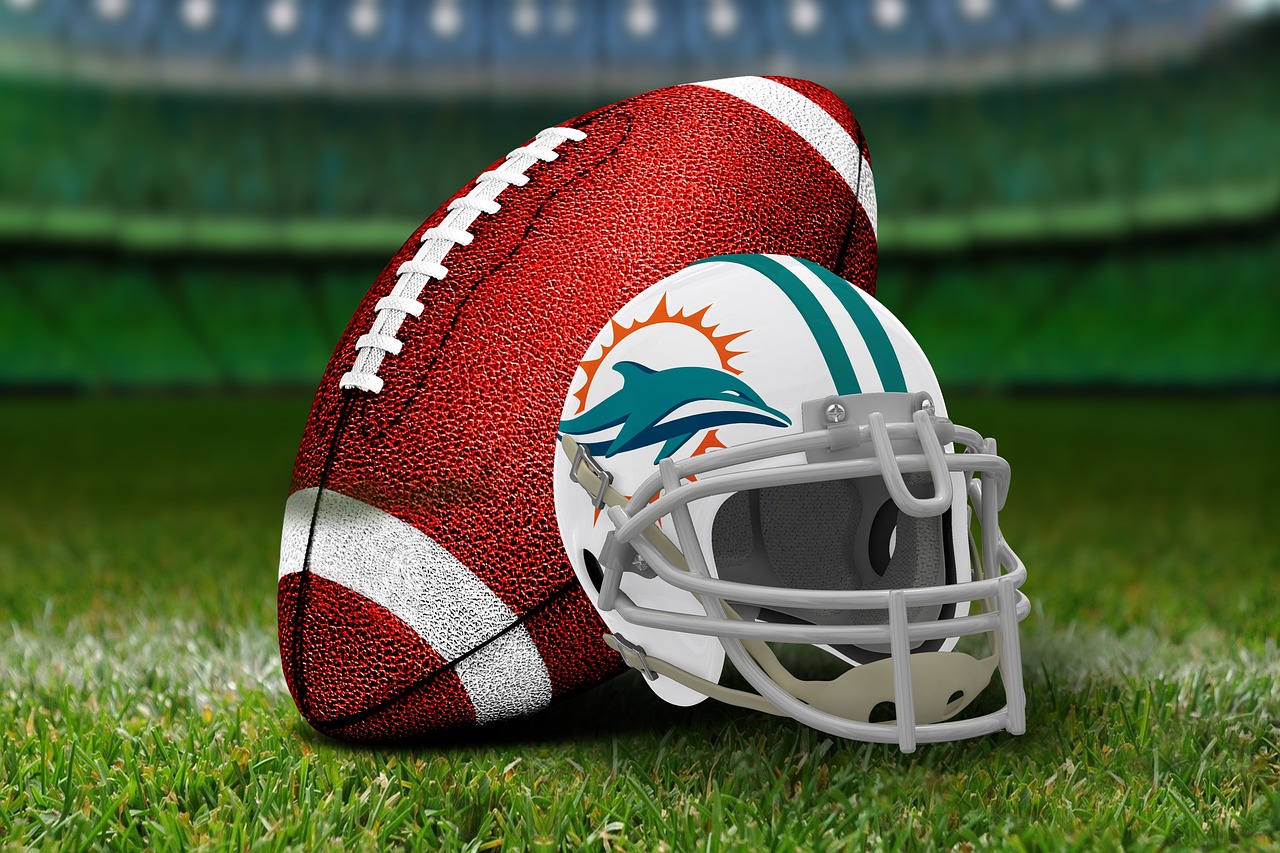
The National Football League still sits alone atop American sports, a point reinforced in business coverage and court filings that treat the NFL as the default reference for professional leagues. But a quieter contest is unfolding just below it: whether Major League Baseball has overtaken the National Basketball Association as the country’s No. 2 league.
Recent reporting on the business of sports, including a federal antitrust case involving licensed merchandise, has repeatedly grouped baseball and basketball together as peer properties alongside the NFL. Within that framing, Major League Baseball’s recent audience and commercial gains have changed the tone of a long‑running rivalry over second place in the U.S. sports hierarchy.
While no single metric definitively settles the question, the way leagues are described in legal and financial documents, and the way they are treated by major commercial partners, offers a window into how close the race has become.
How the No. 2 Debate Re‑Emerged
The latest round of discussion about baseball’s standing has been fueled in part by a federal lawsuit over sports merchandise. In May, Fox Business reported on a case in which a group of plaintiffs accused Fanatics, a dominant sports‑merchandise company, and several professional leagues of monopolizing the market for licensed apparel and memorabilia.
In that coverage, the NFL, NBA and MLB appeared together as central players in what the plaintiffs described as a tightly controlled ecosystem for official gear. A federal judge ultimately dismissed the lawsuit, according to Fox Business, but the filings and arguments treated MLB and the NBA as comparable commercial properties, both important enough to be named alongside the NFL.
That legal framing does not answer who ranks second. It does, however, underscore that in the eyes of courts and corporate partners, MLB and the NBA share a similar tier: national leagues with substantial media rights, licensing revenue and cultural reach.
The question of whether baseball has moved ahead of basketball has resurfaced as MLB has reported gains in fan engagement and as its business relationships with companies such as Fanatics have deepened. Coverage in the New York Times of global soccer and college basketball, while focused on other sports, has also used the word “league” as the core unit of analysis, reinforcing how much of modern sports is understood through the lens of league‑level power and branding.
What the Evidence Shows — and What It Doesn’t
Publicly available reporting offers only a partial view of the comparison between MLB and the NBA.
Fox Business, drawing on court documents, shows that MLB is grouped with the NFL and NBA in major commercial disputes, a sign that it remains one of the three most valuable U.S. sports properties. The article describes the leagues collectively as powerful partners of Fanatics, with the judge’s dismissal of the case leaving that commercial structure intact.
The New York Times articles cited in the evidence set do not directly address MLB or the NBA’s relative rankings. One examines the Champions League and Real Madrid’s mystique in European soccer; another profiles a college basketball star as a projected top professional prospect. Both stories use “league” as the organizing concept — whether the Champions League in Europe or the future NBA in the United States — but they do not offer hard comparisons between MLB and the NBA.
Because the available reporting does not provide specific, comparable figures for television ratings, live attendance, streaming viewership or total revenue, any firm declaration that MLB has definitively passed the NBA would go beyond the evidence. What can be said with confidence is that:
- The NFL is consistently treated as the top U.S. league in legal and business contexts.
- MLB and the NBA are repeatedly referenced together as peer “major” leagues in those same contexts.
- MLB’s role in high‑stakes commercial arrangements, such as licensing partnerships, indicates that it retains — and in some areas may be expanding — its position near the top of U.S. sports.
The specific question of whether MLB is now No. 2 depends on how “No. 2” is defined: by revenue, average audience per game, total games played, or broader cultural influence. The current evidence set does not resolve those distinctions.
Why the Ranking Matters Beyond Bragging Rights
The contest between MLB and the NBA is not just about prestige. Their relative standing can shape how quickly new technologies are adopted, how competition is regulated and how secure key systems must be.
In the Fanatics case described by Fox Business, the leagues’ collective control over licensed products was central to the antitrust claims. When a small number of powerful leagues dominate the market for official jerseys and memorabilia, regulators and judges must decide whether that concentration harms consumers or simply reflects the realities of modern sports economics. The higher a league sits in the informal rankings, the more its decisions can influence the entire ecosystem of vendors, broadcasters and technology partners.
Technology adoption is one area where league hierarchy matters. Top‑tier leagues are often the first to roll out new streaming platforms, data‑tracking tools and digital ticketing systems. Their choices can set de facto standards that smaller leagues and colleges later follow. If MLB is seen by partners as at least equal to, or ahead of, the NBA in commercial importance, it may gain leverage to push for specific technologies in broadcast production, in‑stadium connectivity or fan data systems.
Security is another concern. The more valuable a league’s media rights and merchandise pipelines become, the more attractive they are as targets for cyberattacks and fraud. A league perceived as the clear No. 2 in the United States can expect heightened scrutiny of how it protects fan data, secures payment systems and guards against piracy of live games. That scrutiny often comes from both regulators and private partners.
In antitrust disputes like the Fanatics case, the way leagues are grouped together — NFL, NBA, MLB — can also influence how courts think about market power. If MLB is increasingly treated as interchangeable with the NBA in these legal contexts, it reinforces the idea that the two occupy similar rungs of economic influence, even if fans debate which sport feels more central to American life.
Fans, Players and the Human Side of a Business Ranking
Behind the rankings are the people who fill stadiums, watch broadcasts and build careers inside these leagues.
For fans, the question of whether MLB has overtaken the NBA often feels personal. Baseball’s long schedule and local rhythms offer a different kind of attachment than the NBA’s star‑driven, globally marketed product. A shift in perceived ranking can affect how communities see their local teams and how much attention national media give to their seasons.
Players and their unions also have a stake. A league’s commercial clout influences salary caps, revenue‑sharing agreements and the strength of future collective bargaining positions. When MLB is treated as a peer to the NFL and NBA in high‑profile business disputes, it underlines for players how much money is flowing through the system they help generate.
For younger athletes, especially those highlighted in college coverage like the New York Times profile of a projected top basketball draft pick, the perceived hierarchy of leagues can shape career decisions. Baseball’s minor league system, basketball’s one‑and‑done college path and the global options in both sports all look different depending on which league seems to offer the most stable and lucrative future.
What to Watch Next
Media companies and the leagues themselves are expected to continue releasing audience data and financial updates tied to ongoing seasons and rights negotiations. How broadcasters and streaming platforms talk about the value of MLB and NBA packages — and which league they prioritize in programming and marketing — will offer concrete signals of perceived ranking.
Regulators and courts may also provide additional clues. If new antitrust complaints or regulatory reviews emerge that again group MLB and the NBA with the NFL as the core professional leagues, the language in those documents could further confirm how close the two are in commercial status. For now, the evidence shows that baseball and basketball remain locked together near the top of American sports, with the exact order still open to interpretation.