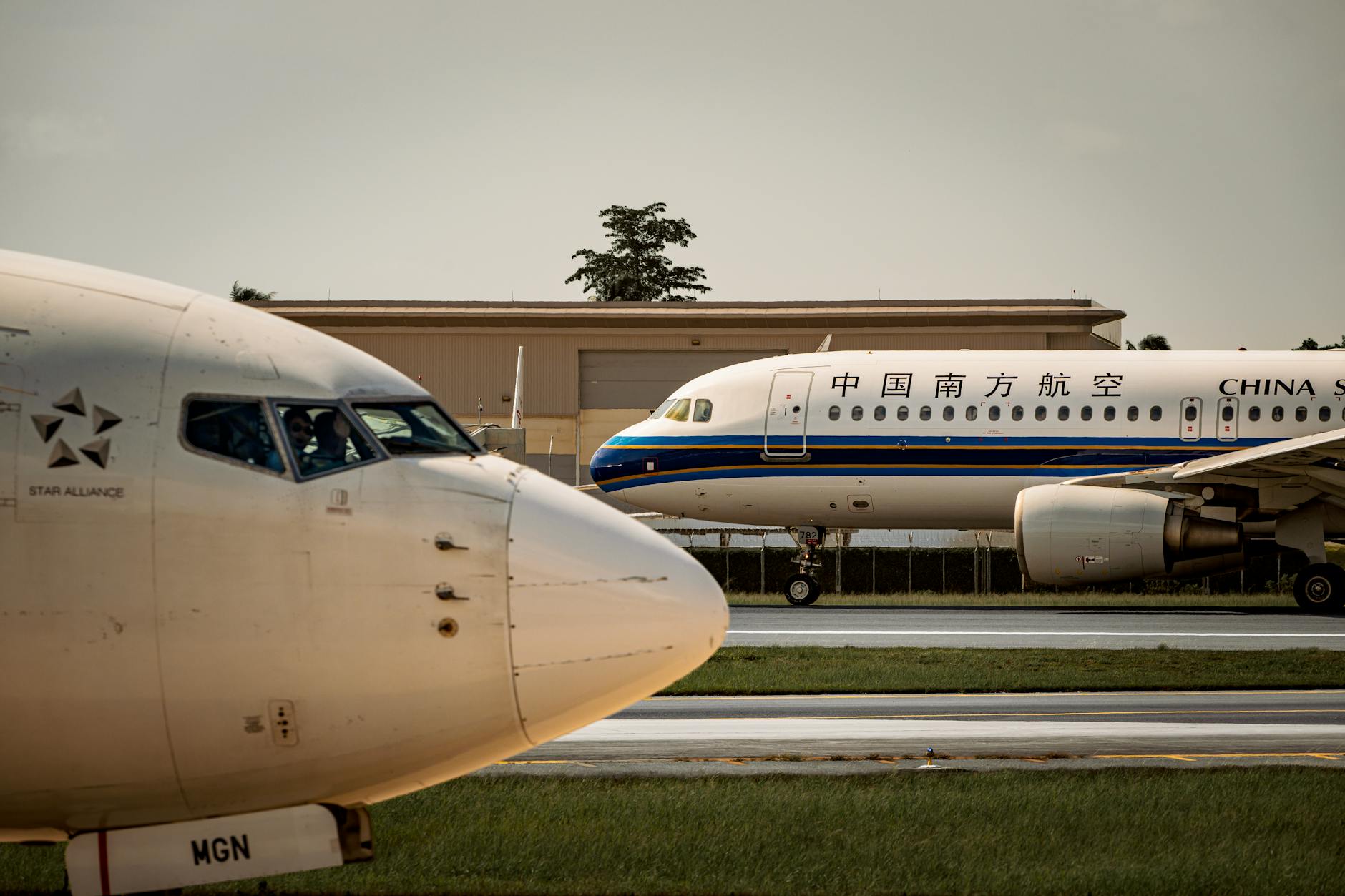
A senior U.S. administration official has warned that staffing shortages from the partial federal government shutdown are creating a “dire” situation for airport security, raising the prospect of hours-long waits for travelers and added strain on screening operations.
Multiple outlets, including Reuters, CNN and the Guardian, reported that the head of U.S. airport security issued the warning as Transportation Security Administration (TSA) staff continue to work without pay. The reports said the disruption could hit international travelers particularly hard, including those flying to major sporting events such as the World Cup.
While details of internal security briefings have not been made public, the consistent accounts across at least five major news organizations indicate growing concern inside the administration that prolonged staffing gaps could affect both passenger experience and the robustness of screening.
What Officials Are Warning About
According to reporting by Reuters, an administration official described the outlook for airport operations as “dire” if the shutdown persists, citing the cumulative impact of unpaid work on morale and attendance among federal security staff.
CNN and the Guardian similarly reported that the head of U.S. airport security has raised alarms about long lines, extended processing times and the risk that more officers could call in sick or seek temporary work elsewhere. These reports align with earlier coverage by NPR, which has documented some of the longest TSA wait times on record during prior funding disputes.
The warnings focus on the practical consequences for travelers: longer queues at security checkpoints, slower baggage screening and potential delays in secondary inspections. While no specific security breach has been publicly linked to the current staffing strain, officials quoted in the coverage argue that sustained shortages increase operational risk.
None of the outlets cited a public transcript of the official’s remarks, and the administration has not released a detailed breakdown of staffing levels at individual airports. As a result, the precise scale of the problem remains uncertain, even as the tone of internal warnings has become more urgent.
Impact on Travelers and Global Events
News organizations covering the issue report that international travelers could face some of the longest waits, particularly at major U.S. hubs that handle connecting flights to global events such as the World Cup. The reports do not specify which airports are expected to be most affected, but they consistently reference heavy-traffic gateways where security lines are already long during peak travel periods.
NPR’s previous reporting on TSA operations during funding lapses has documented instances where wait times stretched beyond an hour at large airports. Current coverage suggests similar or worse conditions could emerge if the shutdown continues, though exact projections vary and are not based on publicly released government data.
For travelers, the immediate stakes are practical: missed connections, delayed departures and longer times spent in crowded screening areas. For airlines and airport operators, the concern is that persistent delays could disrupt schedules, increase costs and damage the perception of U.S. airports among international visitors.
The reports also touch on the symbolic dimension. Major international events such as the World Cup draw visitors from around the world, and long waits at U.S. airports during such periods could be seen by foreign governments and travelers as a sign of domestic political dysfunction affecting basic services.
Security, Governance and the Shutdown
The partial government shutdown, as described in the coverage, has left key security staff working without pay while other federal employees are furloughed. TSA officers and related airport security personnel are classified as essential, meaning they must report to work even when funding is interrupted.
Outlets including Reuters and CNN report that this arrangement is at the core of the current tension: security operations continue in name, but the underlying workforce is under financial and emotional strain. Past shutdowns have seen spikes in unscheduled absences among TSA staff, and current reporting suggests officials fear a repeat.
The White House has previously emphasized national security as a core priority, highlighting cyber and border security initiatives in official strategy documents published on whitehouse.gov. However, the present situation, as described by independent news organizations, illustrates how budget standoffs can affect day-to-day security functions such as airport screening.
None of the available reports provide detailed comment from the Securities and Exchange Commission (SEC), though the agency is among those affected by funding lapses in general shutdown scenarios. The main focus of current coverage remains on TSA and airport security operations rather than financial-market oversight.
Political and Institutional Responses
Reporting from the major outlets indicates that administration officials are attempting to balance two messages: reassuring the public that airports remain secure while acknowledging that conditions are deteriorating for both staff and passengers.
Some lawmakers have raised concerns that using unpaid labor for extended periods is unsustainable, particularly in roles that require constant vigilance. While specific legislative proposals are not detailed in the current batch of reports, past shutdowns have prompted temporary funding bills and targeted measures to support affected workers.
Airport authorities and airline industry groups, as described in earlier NPR coverage of TSA delays, have historically lobbied for stable funding and staffing to avoid disruptions. Although the latest reports do not quote them directly, the pattern of past responses suggests they are likely monitoring the situation closely and may press for a resolution if delays worsen.
For now, the public record is limited to generalized warnings rather than concrete timelines or thresholds for when security operations might become unsustainable. Officials quoted in the coverage have not specified at what point staffing shortages would force closures of checkpoints or reductions in flight schedules.
What to Watch Next
In the coming days and weeks, the key indicator will be whether the partial government shutdown is resolved or extended. If funding is restored, TSA and related security staff would be paid, which could stabilize attendance and ease pressure on airport operations.
Travelers and industry observers may also watch for updated guidance from TSA and airport authorities on recommended arrival times and any reported changes in wait times at major hubs. Significant increases in delays, if confirmed by official data or broad-based reporting, would signal that the “dire” warnings from security leadership are materializing.
Congressional action is another focal point. Any move toward a short-term funding bill or targeted relief for security workers could reduce the immediate risk of operational strain, even if broader political disputes remain unresolved. Until then, the situation at U.S. airports is likely to remain fluid, with conditions varying by location and time of day as the shutdown’s effects ripple through the system.